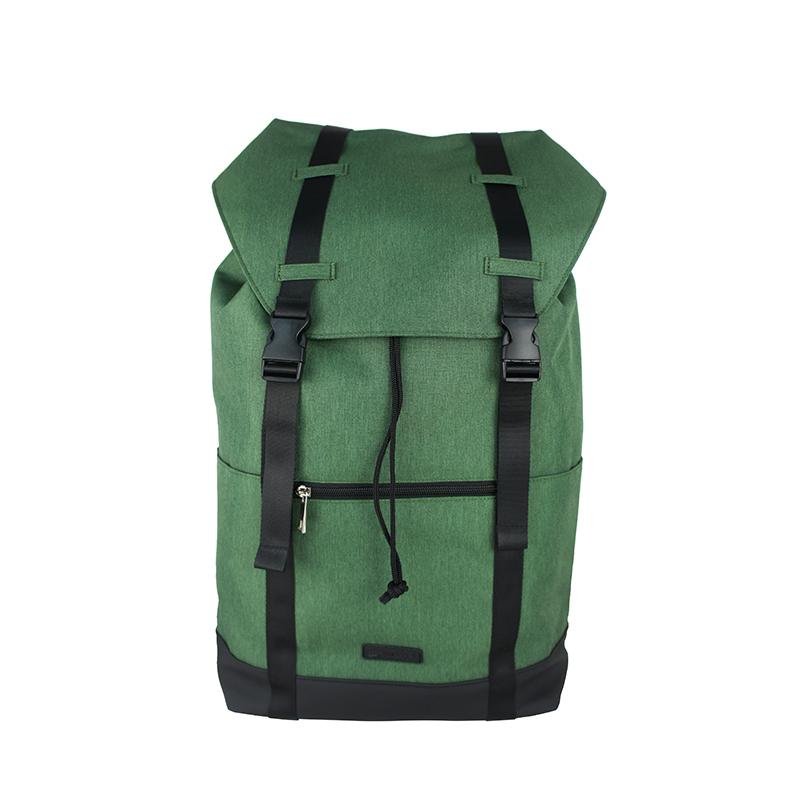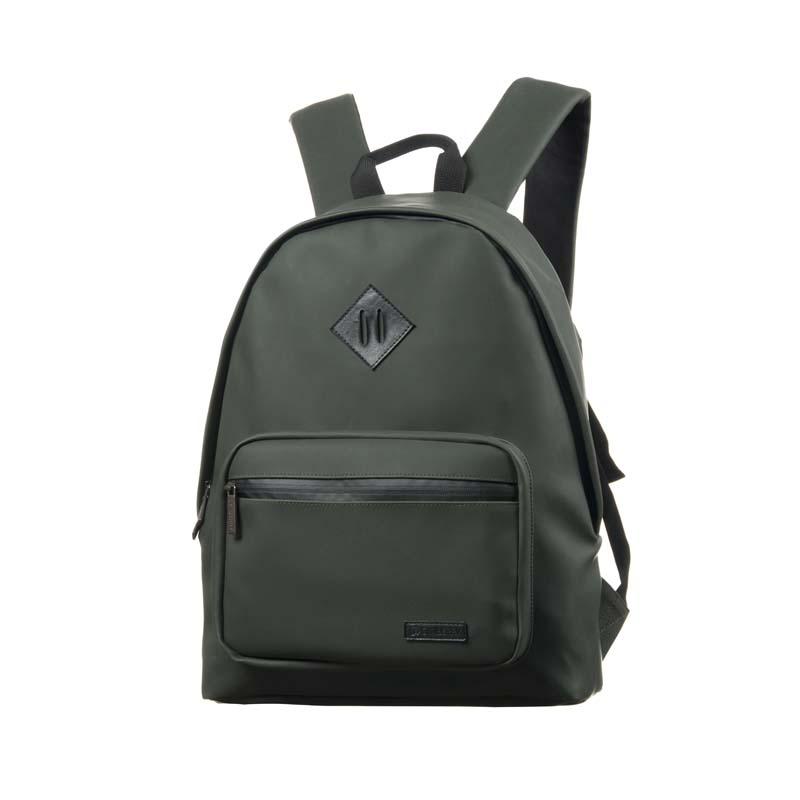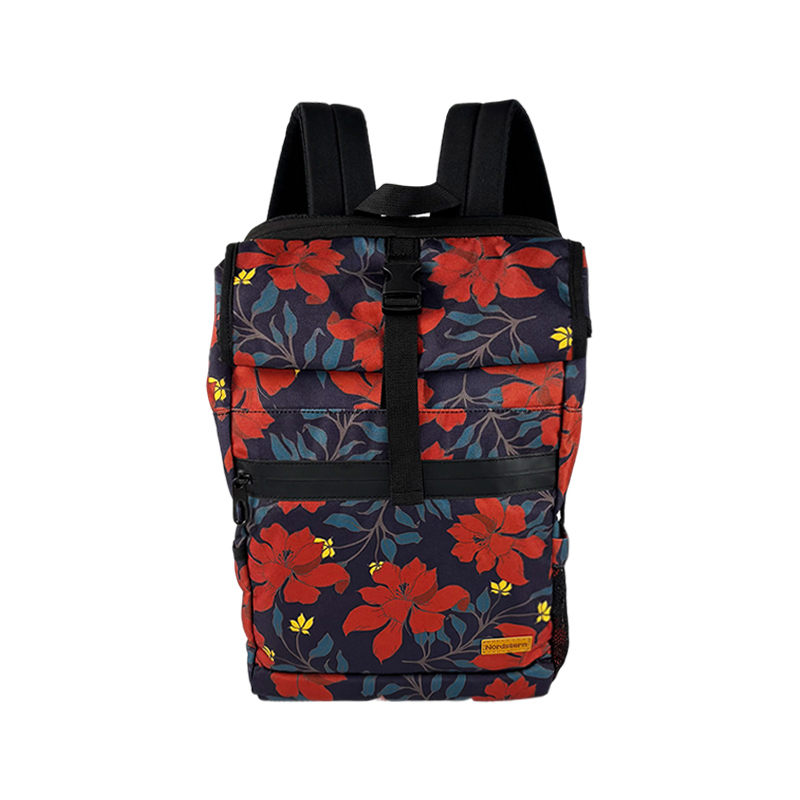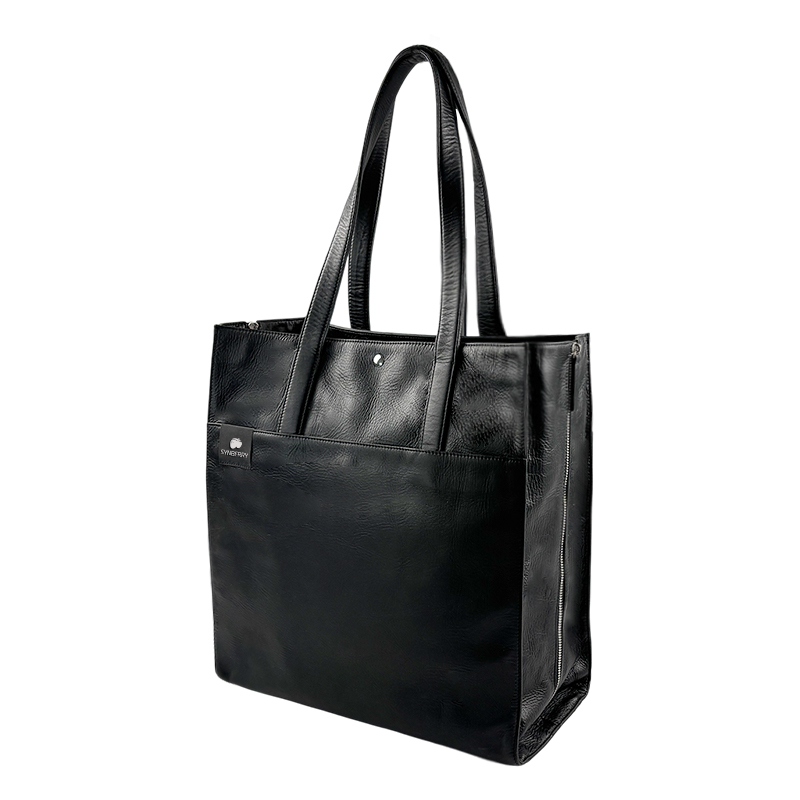




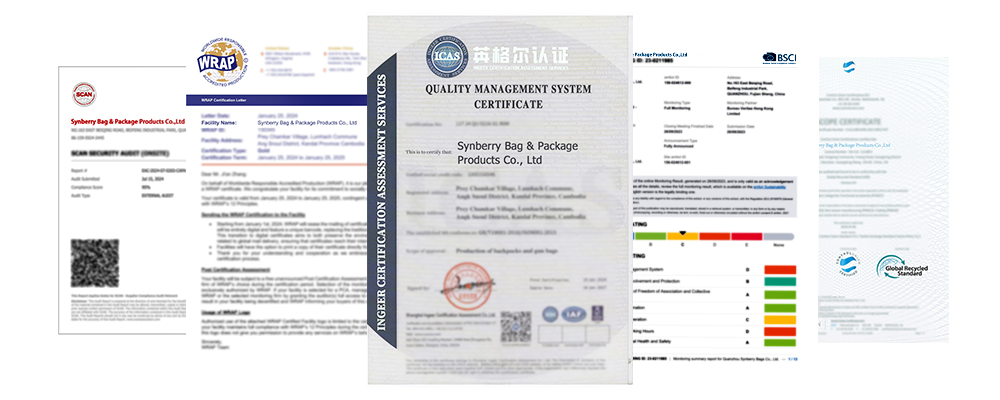
Synberry está certificado con BSCI, WRAP, SCAN, GRS e ISO, lo que garantiza estándares de producción sostenibles y de alta calidad.
Nuestro servicio profesional de personalización de productos transforma su idea en realidad, brindando una experiencia perfecta desde el concepto hasta la exhibición del producto en el estante minorista.


Con fábricas en China y Camboya, usted tiene la flexibilidad de seleccionar el sitio de producción que ofrezca los beneficios arancelarios más ventajosos según su situación específica.

¿Qué ha convertido a Synberry en la elección de dos generaciones? Con principios de calidad claramente definidos, documentación y registros bien administrados y, lo más importante, análisis e inspección de procesos en profundidad, podemos garantizar una alta calidad constante.

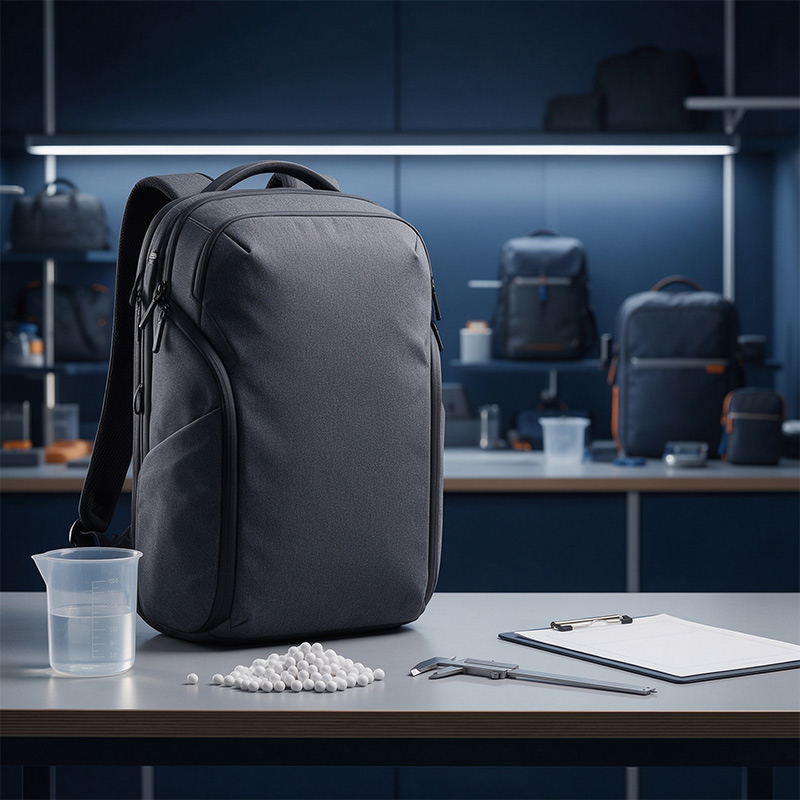
There are two widely used methods for measuring backpack capacity: geometric volume estimation and the ASTM F2153 fill test. During the design stage, the geometric formula (internal length × width × depth ÷ 1,000, multiplied by a pattern correction factor when necessary) can be used to estimate the maximum capacity. For sample approval and production capacity labeling, the unexpanded capacity measured using the ASTM F2153 fill test is generally used as the baseline. Geometric estimation is best suited to structured bags with regular shapes for preliminary space planning. Applying this method directly to sewn backpacks usually overestimates capacity. The fill test uses rigid plastic spheres with a diameter of 20 mm to fill all enclosed compartments; the spheres are then transferred to a calibrated measuring container to determine volume. The result can be used in purchase contracts, technical packs, inspection criteria, and product capacity labeling. For custom bag manufacturing, specifying the measurement method, included compartments, and tolerance alongside the capacity value helps align acceptance criteria between buyers and suppliers. Table of Contents Ⅰ. Why Backpacks with the Same Labeled Capacity Can Have Different Actual Volumes Ⅱ. Geometric Formula Estimation Ⅲ. ASTM F2153 Fill Test Ⅳ. Practical Recommendations for Backpack OEM Projects Ⅴ. Frequently Asked Questions (FAQ) Ⅵ. Conclusion Ⅰ. Why Backpacks with the Same Labeled Capacity Can Have Different Actual Volumes 1. Backpack Capacity Has No Globally Uniform Mandatory Labeling Standard Unlike shoe sizing or fabric weight, backpack capacity is not subject to a globally uniform mandatory labeling rule. Products labeled as 30 L may be measured using four common methods in the industry, producing different usable-volume results. Measurement method What is measured Typical result Notes Multiply external dimensions External length × width × height of the bag Likely to be overstated Counts fabric, foam, and back-panel structures as volume; unsuitable for labeled capacity. Main compartment only Largest enclosed main-compartment space Conservative Perceived usable space may exceed the labeled value, but the scope is limited and comparisons are less meaningful. Add all enclosed pockets Main compartment, zippered pockets, and covered enclosed pockets More comparable Closer to the logic of ASTM F2153; agree in advance whether open pockets are included. Promote expanded capacity Capacity with the roll-top or expansion zipper fully opened Represents maximum expanded state only Volume is lower in the normally closed state; some expanded bags may exceed airline carry-on limits. 2. Main Reasons for Differences in the Same Labeled Capacity For a daypack labeled 30 L, an external-dimension calculation includes space occupied by the back panel and shoulder-strap structure. Under the ASTM F2153 fill test, only enclosed compartments are counted; mesh water-bottle pockets and open front stash pockets are excluded. As a result, the unexpanded measured capacity may be only 24–25 L. Such differences are usually not manufacturing defects. They primarily result from different measurement methods and boundaries for what is included. 3. Capacity Must Be Matched to the Intended Use State Capacity can be reported as unexpanded capacity and expanded capacity. Unexpanded capacity refers to the bag in its normally closed, everyday-use configuration. Expanded capacity is the maximum volume available when a roll-top is fully opened or an expansion zipper is completely unzipped. A specification sheet that lists only one capacity value does not clearly identify the intended use state and makes inspection decisions more difficult. For roll-top bags and bags with expansion zippers, also verify the fully loaded external dimensions to determine whether the bag meets carry-on baggage size limits. Ⅱ. Geometric Formula Estimation 1. Basic Formula and Units A general geometric formula used in backpack OEM development is: Capacity (L) = Internal Length (cm) × Internal Width (cm) × Internal Depth (cm) ÷ 1,000 Example: With internal dimensions of 50 × 30 × 20 cm, the theoretical capacity is 50 × 30 × 20 ÷ 1,000 = 30 L. The formula uses centimeters and returns liters, based on 1 L = 1,000 cm³. For the North American market, capacity may also be listed in cubic inches; 1 L ≈ 61.024 cu in. 2. Appropriate Uses of the Geometric Formula • Reverse-engineering target dimensions during concept design: allocate internal usable dimensions based on the target capacity to support pattern and construction development. • Quickly estimating a capacity range during initial inquiries: when no physical sample is available, use external dimensions to make a preliminary assessment of the product category and support quotation and process evaluation. • Planning internal space before sampling: allocate space among the main compartment, laptop compartment, and front pockets, using the result as a theoretical upper-limit reference. 3. Why the Geometric Formula Can Be Inaccurate for Sewn Backpacks • The bag is not a perfect rectangular prism: daypacks that taper toward the top, roll-top bags, flap-top bags, and packs with curved suspension profiles have irregular shapes that cannot be accurately represented by a rectangular prism. • Fabric, foam, and suspension components reduce usable volume: laptop sleeves, back panels, and shoulder-strap anchor structures occupy space within the bag’s external profile. • Pocket-counting rules vary: external-dimension calculations may include side and front pockets, whereas standard fill testing counts enclosed compartments only and excludes open mesh pockets. • Seam allowances and lining thickness reduce usable space: sewing allowances, lining, and reinforcement materials reduce the effective internal volume. Conclusion: The geometric formula is a design-screening tool for estimating theoretical maximum volume; it should not be used directly as the labeled capacity of a sewn backpack. Results are more accurate for rectangular tote bags and simple travel duffels. For backpacks, technical outdoor packs, and styles with multiple complex compartments, capacity acceptance should be based on a fill test. 4. Early-Stage Estimation Before Sampling: Pattern Correction Factors During early development, before a physical sample is available, a pattern correction factor can help narrow the gap between theoretical and measured capacity. The adjusted formula is: Estimated capacity (L) ≈ [Internal length × internal width × internal depth (cm) ÷ 1,000] × K Select K according to the regularity of the bag’s shape. The ranges below are based on pattern databases and industry experience and are for design estimates only—not for official capacity labeling. The estimate must ultimately be calibrated against an ASTM fill test. Bag construction Reference correction factor Notes Boxy business backpack 0.80–0.85 Regular shape with high space efficiency. Standard daypack 0.75–0.80 Slightly contoured shape and space occupied by compartments. Outdoor hiking pack (internal aluminum-frame back panel) 0.70–0.75 Suspension system takes up more internal volume. Cylindrical duffel 0.72–0.78 Curved side walls reduce usable volume. Roll-top backpack 0.65–0.75 The rolled closure section is excluded from effective capacity. Tapered daypack, narrower at the top 0.70–0.78 The tapered cross-section makes the upper space less efficient. Example: A standard daypack with internal dimensions of 45 × 30 × 18 cm has a theoretical volume of 24.3 L. Using a correction factor of 0.78 gives an estimated capacity of approximately 19 L; subsequent fill testing will generally yield around 18–20 L. Important limitation: Correction factors are not universally transferable across factories or patterns. If the fabric weight or lining construction changes, re-test the bag and recalibrate K. In external technical communications, label this figure as a “design estimate,” not the contractual labeled capacity. Ⅲ. ASTM F2153 Fill Test 1. Standard Overview and Scope A commonly used industry standard for backpack capacity testing is ASTM F2153, “Standard Test Method for Measurement of Backpack Capacity.” It is a voluntary test method intended to establish consistent, comparable capacity-measurement rules among brands, factories, and inspection teams. Key principles: report both unexpanded and expanded capacity; count enclosed compartments only; exclude open mesh water-bottle pockets, open front stash pockets, and open compression pockets. The standard generally does not apply to small bags under 4 L. Crossbody mini bags, waist packs, and small organizers do not need to be labeled in liters; if a capacity value is provided, identify the alternative simplified test method used. 2. Standard Filling and Volume-Reading Procedure Step Procedure Control point 1. Prepare the test media Use uniform rigid plastic spheres with a diameter of 20 mm, commonly PP or PS. Foam beads and beans are for rough internal checks only; they compress or settle and have poor repeatability. Do not use them for official capacity labeling. 2. Fill all enclosed compartments Fill the main compartment and every zippered pocket. For roll-top bags, fill to the agreed number of rolls while ensuring normal closure. Close zippers after filling without pulling them taut. Do not omit any enclosed compartment. Exclude all open pockets. 3. Use a consistent settling procedure Gently shake the bag so the spheres settle naturally. A common procedure is three gentle shakes, approximately 10 seconds each. Do not deliberately press or compress the bag to inflate the reading. 4. Transfer the spheres to a calibrated measuring container Transfer all spheres into a graduated container calibrated by water-volume measurement. Gently agitate until the spheres settle, then record the volume. Large backpacks may be measured in multiple batches and the readings added together. Calibrate measuring equipment with water periodically and retain calibration records. 5. Repeat the test and average the results Conduct at least two independent tests. If the results differ by more than 1–2 L, filling or settling procedures may not have been consistent; repeat the test. Use the same spheres and measuring equipment for first-piece, in-line, and final inspections. 3. Limitations of the Standard and Its Relationship to Specification Sheets ASTM F2153 is voluntary and is not legally mandatory. Many retail product listings also omit the test method. The value of the test is that it allows the fill media, measuring equipment, included compartments, and tolerances to be defined in the specification sheet. If only a capacity number is listed without test details, results from different stages cannot be reliably compared. 4. When Full Laboratory Equipment Is Unavailable: Simplified Measurement Methods Not every inspection site has enough standard plastic spheres and calibrated measuring containers. A simplified method may be used during sampling, but the specification sheet must state that it differs from ASTM F2153. Scenario Simplified method Notes Compartments of 4 L or more Fill with 20 mm plastic spheres or uniform dry beans, then measure using a 1 L measuring cup and add the readings. Beans are for internal reference only; rigid plastic spheres are preferred for official capacity labeling. Compartments under 4 L Because small spheres stack with greater error, weigh the filling material first and convert to volume using a defined ratio if necessary. State in the documentation: “Not the ASTM F2153 standard procedure.” Curved or tapered bags Fill in vertical sections and add the readings from each section. A single rectangular-prism calculation will overestimate the capacity of tapered bags. Backpacks with multiple compartments Fill and measure each enclosed compartment separately, then total the results; list open pockets separately as excluded. Keep separate records to avoid confusion over what is included. Important: Capacity values obtained using different measurement methods should not be compared directly. Ⅳ. Practical Recommendations for Backpack OEM Projects 1. Recommended Capacity Fields for Specification Sheets To reduce the risk of a finished product’s capacity differing from expectations, include the following six items in the capacity section of the specification sheet: Field Recommended wording Purpose Measurement method “ASTM F2153 fill test using 20 mm PP spheres” / “Calculated from external dimensions; design reference only.” Identifies the method used to determine capacity. Unexpanded capacity Capacity in liters in the normally closed state. Matches typical use and product labeling. Expanded capacity Capacity in liters with the expansion zipper fully open or the roll-top fully unrolled. Distinguishes maximum expanded volume. Compartments included “Includes the main compartment and all zippered pockets; excludes mesh water-bottle pockets and open front stash pockets.” Removes ambiguity about which pockets count. Units List L and cu in together and specify the conversion. Supports reading preferences in different Western markets. Tolerance Agree on a tolerance by capacity range; use the same test method when judging compliance. Sets a reasonable acceptance range for inspection. 2. Example Wording for a Specification Sheet Capacity: 28 L unexpanded (approx. 1,709 cu in) / 34 L expanded (approx. 2,075 cu in), measured using the ASTM F2153 fill test with 20 mm PP plastic spheres. Includes the main compartment and all zippered pockets; excludes mesh water-bottle pockets and open front stash pockets. Tolerance: ±1.5 L. File the test record with the initial sample approval documents. 3. Suggested Tolerances and Contract Language Capacity range Suggested tolerance Application notes Under 20 L ±1 L Small bags are sensitive to compartment and opening design; test conditions must be controlled. 20–40 L ±1.5–2 L Common range for daypacks and commuter laptop backpacks. Over 40 L / large travel bags ±2–3 L Fill-test variation may be greater for large bags; additional repeats are recommended. Retail products with strict controls ±3%, or agree that “labeled capacity must not exceed measured unexpanded capacity.” Suitable for tightly controlled cross-border retail programs. Note: Tolerance criteria must correspond to the capacity test method. A tolerance established using external dimensions cannot be used to judge results from a fill test. 4. Common Capacity-Related Discrepancies in Custom Backpack Development Type of discrepancy Explanation Control measure Including open pockets in labeled capacity The counting method differs from ASTM and can produce inconsistent figures. Clearly list included and excluded pockets in the specification sheet. Advertising only expanded capacity Does not reflect volume in the product’s normally closed state. Provide both unexpanded and expanded capacity. Using external dimensions directly for sewn backpacks Foam, back panels, and lining take up space, so the calculated value is high. Use fill testing as the basis for labeled capacity; use external dimensions only as a supplementary reference. Using one capacity value for all sizes of a style Pattern and suspension structures change by size, affecting volume. Test each size independently. Testing only the first sample, with no production recheck Pattern adjustments, lining changes, and pocket revisions can change capacity. Test the approved reference sample and production trial units. Mixing metric and imperial units without labels Can lead to misinterpretation of readings. List both L and cu in in technical documents, with the primary unit suited to the target market. 5. Key Points When Comparing Multiple Samples Two products labeled with the same capacity may not perform equally in actual loading. Compare external dimensions, the main compartment’s internal usable dimensions, opening design, and photos of the bag when loaded. Even when both are labeled 30 L, a boxy pack and a tapered pack may accommodate different shapes of items. For travel backpacks and school backpacks, capacity is only one consideration. Flap-top designs are better suited to flat items, while top-loading roll-top bags offer good compression but can make items deep inside the bag harder to access. For a more complete assessment, include capacity, main-compartment internal dimensions, opening type, and fully loaded external dimensions in the specification sheet. 6. When to Conduct Capacity Tests Lock in the capacity baseline during initial sample approval. Once the first sample is complete, test capacity using the agreed method. After the parameters are approved, record them in the technical pack and purchasing documents before starting mass production. During inspection, use the same sphere specifications, measuring equipment, and settling procedure as for the approved sample, and assess the results against the agreed tolerance. 7. Capacity Records and Compliance Documentation Capacity testing is a technical specification activity and is separate from chemical testing of materials. Nevertheless, related records should be archived together for easy reference. If a product is labeled as using recycled fabric, the material claims should align with applicable GRS, GOTS, or OEKO-TEX documentation. Children’s backpacks sold in the United States must also meet applicable CPSIA requirements. A substantial discrepancy between labeled and measured capacity may create a risk of misleading advertising in the US and European markets. Store capacity test records and compliance certificates in the technical pack so they can be retrieved for customer factory audits and marketplace reviews. Ⅴ. Frequently Asked Questions (FAQ) Q1: Is backpack capacity accurately measured by multiplying length × width × height and dividing by 1,000? This formula estimates only the theoretical upper limit. It counts fabric, foam, and back-panel structures as volume and therefore generally overestimates usable space in sewn backpacks. The discrepancy is smaller for rectangular tote bags and simple travel duffels. For backpacks, outdoor packs, and styles with multiple compartments, capacity acceptance should be based on the ASTM F2153 fill test. A pattern correction factor can support early sampling estimates, but the result is for internal reference only and must not be used as the official labeled capacity. Q2: What is ASTM F2153? Are factories required to use it? ASTM F2153 is a voluntary test method for measuring backpack capacity; it is not legally mandatory. The core procedure is to fill all enclosed compartments with 20 mm rigid plastic spheres, transfer the spheres to a calibrated measuring container, and record both unexpanded and expanded capacity. Open water-bottle pockets and open stash pockets are excluded. The buyer and supplier should agree on whether to use the method in the technical documentation; once agreed, it becomes the basis for acceptance. Q3: Why does a factory label a backpack as 30 L when the fill-test result is only 25 L? This is usually due to differences in measurement methods—for example, using external dimensions or including open pockets in the calculation. A difference of around 20% between a daypack’s labeled capacity and its ASTM fill-test result is not unusual in the industry. Buyers and suppliers can establish a consistent basis for acceptance by agreeing in advance on the test method, pocket-inclusion rules, and tolerance range in the specification sheet. Q4: How should tolerances be set in a specification sheet, and which units should be used? For bags under 20 L, a tolerance of ±1 L is suggested; for 20–40 L, ±1.5–2 L; and for large bags over 40 L, ±2–3 L. For tightly controlled retail programs, the tolerance can be narrowed to ±3%, or the parties can agree that “the labeled capacity must not exceed the measured unexpanded capacity.” Use cubic inches (cu in) alongside liters for North America, while liters are generally preferred in Europe. Conversion: 1 L ≈ 61.024 cu in. Q5: How should capacity be tested for small bags under 4 L, waist packs, and organizers? ASTM F2153 generally does not apply to bags under 4 L. A simplified method can use a calibrated measuring cup, uniform dry beans, or a weight-to-volume conversion. The specification sheet must state that the method is “not the ASTM F2153 standard procedure.” Small spheres can stack inconsistently in small compartments, so external capacity claims for small bags should be made cautiously. Q6: Can rice or beans replace standard plastic spheres? They may be used for rough internal checks, but capacity figures used in contracts, specification sheets, or product labeling should not be based on rice or beans. Grains settle under pressure, and results vary between operators and batches, making repeatability poor. For formal testing, use 20 mm rigid PP/PS spheres and calibrated measuring equipment. Q7: For a roll-top backpack, how many rolls count as the unexpanded state under ASTM F2153? ASTM F2153 does not mandate a specific number of roll-top folds, which can lead to disagreement for this style. The buyer and supplier should agree in writing in the technical pack on the number of folds used for normal closure (commonly 2–3 rolls in the industry). Fill the bag to the agreed number of rolls and confirm that it closes normally without fabric tension; record this as the unexpanded capacity. The reading with the roll-top fully unrolled is the expanded capacity. Ⅵ. Conclusion From using geometric estimates to support early pattern planning, to determining labeled capacity through ASTM F2153 fill testing, and then specifying the test method, included compartments, and tolerances in clear technical terms, a verifiable capacity-assessment system is central to bag capacity management. Consistent criteria help project stakeholders avoid misunderstandings about specifications. As a professional bag manufacturer, we can support capacity-related technical requirements and help align project specifications with the agreed standards. Please contact us if you need assistance. Author
VER MÁS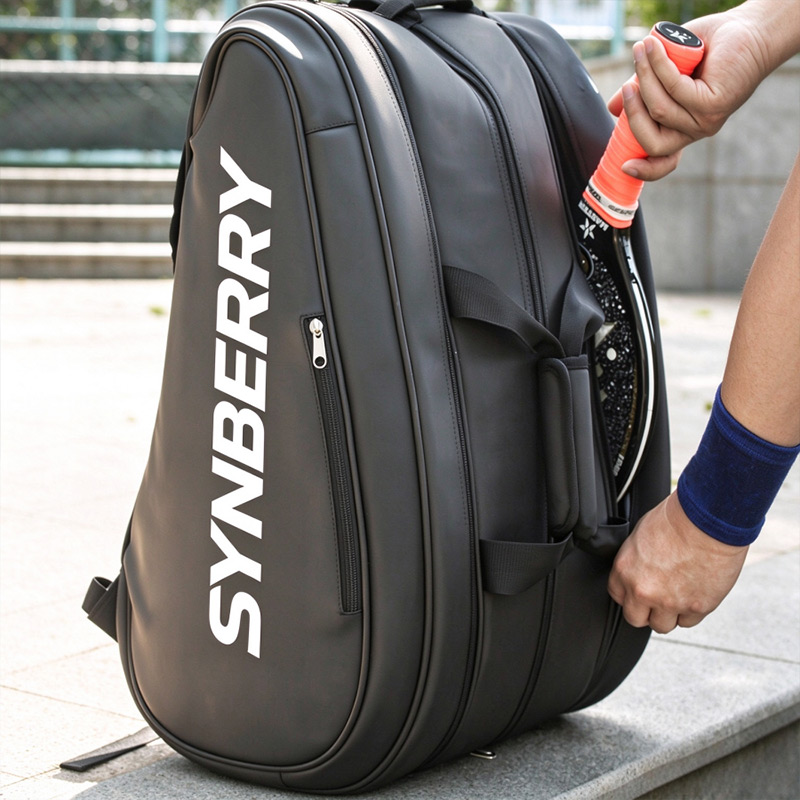
Una buena bolsa de pickleball debe cumplir cuatro requisitos fundamentales: un diseño de compartimentos científicamente pensado, un sistema de transporte cómodo, una confección de alta calidad y materiales duraderos e impermeables. Solo cuando se combinan estos cuatro elementos se puede considerar una buena bolsa de pickleball.Tabla de contenido:Diseño de compartimentos científicosSistema de transporte cómodoArtesanía de alta calidadMateriales duraderos y resistentes al agua.Recomendaciones de personalización para marcasPreguntas frecuentes sobre la personalización de bolsas de pickleballConclusión 1. Diseño de compartimentos científicosLas palas de pickleball están fabricadas principalmente con fibra de carbono o fibra de vidrio, materiales susceptibles a la presión, los arañazos y la exposición prolongada a altas temperaturas y la luz solar directa. Por lo tanto, un compartimento específico para la pala es fundamental en una buena bolsa de pickleball.En concreto, un compartimento para remos excelente debería tener las siguientes características:Compartimento para remo engrosado y aislado: El compartimento específico para el remo debe contar con una capa de amortiguación de EVA engrosada o algodón perlado para absorber los impactos cuando la bolsa se cae o se comprime. Además, un revestimiento aislante térmico de papel de aluminio Puede resistir eficazmente las altas temperaturas exteriores y ayudar a prevenir la deformación de la superficie de la pala causada por la exposición prolongada a la luz solar directa.Compartimento principal de gran capacidad: El compartimento principal debe ofrecer espacio suficiente para guardar todo el equipo esencial necesario para el entrenamiento diario o las competiciones, como ropa, toallas, botellas de agua y otros artículos.Bolsillo de acceso rápido para pelotas: Añade un compartimento de malla o elástico dentro del compartimento principal para guardar las pelotas de pickleball. Este bolsillo independiente de acceso rápido mantiene las pelotas separadas de la ropa, lo que ayuda a mantener la limpieza y la organización del equipo. Además, permite a los jugadores acceder rápidamente a las pelotas de repuesto durante el calentamiento o entre partidos sin tener que buscar en todo el compartimento principal, lo que mejora la eficiencia y la experiencia del usuario.Compartimento ventilado independiente para calzado: Aislado del compartimento principal, evita que el calzado mojado o sucio manche las palas y la ropa, a la vez que ayuda a reducir los malos olores. Esta es una característica clave que distingue una bolsa de pickleball profesional de una bolsa de gimnasio común.Múltiples bolsillos pequeños: diseñados para guardar objetos personales y accesorios como teléfonos móviles, llaves, sobreempuñaduras, equipo de protección y toallas.Bolsillo oculto para objetos de valor: Cuenta con un interior suave forrado de gamuza para guardar de forma segura objetos de valor susceptibles a rayarse. 2. Sistema de transporte cómodoLas bolsas de pickleball suelen venir en tres estilos de transporte: mochilas, bolsos de hombro/cruzados y bolsos convertibles que se pueden llevar en la mano o como mochilas. Mochila: Ideal para transportar varias palas y todo el equipo necesario, sus características principales residen en el diseño de las correas para los hombros y el panel trasero. Las correas de una mochila de alta calidad deben ser anchas y gruesas, rellenas de espuma de alta densidad y cubiertas con tejido de malla transpirable para distribuir la presión sobre los hombros y favorecer la circulación del aire, evitando la acumulación excesiva de calor y las marcas de presión durante un uso prolongado. El panel trasero debe incorporar una capa de soporte de EVA o algodón perlado de PE para evitar que se deforme o colapse bajo cargas pesadas. Además, debe adaptarse a la curvatura natural de la columna vertebral, proporcionando un soporte estable y fiable.Bolsos de hombro o bandoleras: Estos bolsos priorizan la ligereza, la comodidad y la flexibilidad, lo que los hace ideales para sesiones de entrenamiento cortas o situaciones en las que solo se necesita llevar lo esencial. La correa para el hombro debe ser lo suficientemente ancha para evitar que se resbale, mientras que la hombrera debe incorporar una capa acolchada para reducir la tensión al cargar peso sobre un solo hombro. Una correa ajustable permite que usuarios de diferentes estaturas encuentren un ajuste cómodo.Bolso convertible y mochila: Para quienes valoran la versatilidad, un bolso convertible y mochila ofrece mayor flexibilidad. Este tipo de bolso suele tener un asa superior reforzada para transportarlo cómodamente en distancias cortas o guardarlo en un vehículo, así como un asa lateral acolchada diseñada para reducir la presión en la mano y evitar molestias al llevarlo.Al transformarla en mochila, las correas ocultas para los hombros deben poder desplegarse fácilmente y ajustarse con seguridad, garantizando una experiencia de transporte cómoda en ambas configuraciones. Independientemente del estilo elegido, el objetivo principal del sistema de transporte es que los jugadores se sientan cómodos y tranquilos en sus desplazamientos hacia y desde la cancha. 3. Artesanía de alta calidadLos detalles de la fabricación determinan directamente la vida útil y el aspecto general de una bolsa de pickleball.Costuras: Las costuras deben ser fuertes y duraderas, con un espaciado uniforme y costuras limpias y uniformes. Los puntos de tensión clave, como los puntos de fijación de las correas de los hombros, las bases de las asas y los extremos de las cremalleras, deben reforzarse con costuras dobles o incluso triples, combinadas con remate de refuerzo Refuerzo para mejorar la resistencia al desgarro y evitar que las costuras se abran o se rompan bajo cargas pesadas prolongadas.Herrajes: La elección de los herrajes es crucial. Las cremalleras deben ser suaves, duraderas y ofrecer cierto nivel de resistencia al agua, preferiblemente de marcas reconocidas como YKK o SBS. Los tiradores de las cremalleras deben estar diseñados para facilitar su agarre y manejo, incluso con guantes deportivos.Hebillas: Las hebillas deben someterse a pruebas de resistencia para garantizar que no se agrieten ni se deformen, incluso tras repetidos usos. Además, los bordes de la tela deben tener un acabado impecable, sin hilos sueltos, y la bolsa debe mantener una forma estructurada y bien definida, sin deformarse fácilmente, incluso vacía. Estos detalles reflejan calidad profesional y atención al detalle. 4. Materiales duraderos y resistentes al agua.El pickleball se suele jugar al aire libre, donde las bolsas pueden estar expuestas a lluvias repentinas o al rocío matutino en la cancha. Por lo tanto, la resistencia al agua del tejido constituye la primera línea de defensa para proteger el equipo que se encuentra en su interior. 4.1 Tejido principal: Nylon vs. PoliésterUna bolsa de pickleball de alta calidad debe estar fabricada con nailon de alta densidad (como 600D o superior) o poliéster. Estos materiales ofrecen una excelente resistencia a la abrasión y al desgarro, además de buenas propiedades repelentes al agua.Nylon: Al comparar estos dos materiales comunes, el nylon destaca por su mayor relación resistencia-peso y su excelente resistencia a la abrasión, lo que lo convierte en la opción preferida para las bolsas de pickleball de alta gama. Tiene una superficie lisa y un tacto suave, pero su precio es relativamente más elevado.Poliéster: El poliéster ofrece mayor resistencia a los rayos UV y mejor retención del color, lo que reduce la probabilidad de decoloración o degradación tras una exposición prolongada a la luz solar directa. Además, es más económico, lo que lo convierte en una opción rentable. 4.2 Revestimientos impermeablesUn tejido base de alta calidad por sí solo no basta para resistir condiciones climáticas adversas. El tratamiento impermeabilizante de la superficie es el factor clave que determina la resistencia al agua de la bolsa. La mayoría de las bolsas profesionales para pickleball que hay en el mercado actualmente utilizan uno de tres tratamientos principales: recubrimiento DWR (repelente al agua duradero), recubrimiento de PU o recubrimiento de TPU.Repelencia al agua DWR: El revestimiento DWR crea un efecto de hoja de loto en la superficie de la bolsa, lo que provoca que las gotas de agua se acumulen y se deslicen rápidamente en lugar de penetrar en el tejido. Esto evita eficazmente que el agua de lluvia empape el equipo que se encuentra en su interior.Recubrimiento impermeable de PU: El recubrimiento de PU se aplica normalmente en la cara interna del tejido, formando una membrana impermeable densa. No solo impide la penetración de la humedad externa, sino que también mejora la estructura general del tejido y su resistencia al desgarro.Recubrimiento impermeable de TPU: Como elastómero de poliuretano termoplástico, el recubrimiento de TPU se lamina normalmente en la cara interna del tejido como una película delgada o se incorpora como una capa independiente. En comparación con el recubrimiento de PU, el TPU ofrece una resistencia superior a la hidrólisis y flexibilidad a bajas temperaturas. Incluso en ambientes fríos y húmedos, es menos propenso a la degradación, el endurecimiento o el agrietamiento, lo que ayuda a mantener la impermeabilidad de la bolsa durante un uso prolongado. 5. Recomendaciones de personalización para marcasSi planeas desarrollar una bolsa para pickleball bajo tu propia marca, las siguientes recomendaciones en tres áreas clave pueden ayudarte a encontrar el equilibrio adecuado entre el rendimiento del producto, el costo y el público objetivo. 5.1 Recomendaciones principales para la selección de tejidosEl tejido determina la apariencia, la textura, la durabilidad y el precio potencial de una bolsa de pickleball. La siguiente tabla ofrece recomendaciones para la selección de tejidos según el posicionamiento del producto.Opción de telaEspecificaciones comunesResistencia / Resistencia a la abrasiónResistencia a los rayos UVCostoPosicionamiento recomendadoPoliéster600D / 900D★★★☆★★★★☆ (resistente a la decoloración)ModeradoModelos económicos, modelos básicos y productos para exposición prolongada al sol en exteriores.NylonNylon balístico 600D / 1680D★★★★★ (resistente y ligero)★★★ (Se recomienda tratamiento con rayos UV)De medio a altoModelos y bolsas de gama media a alta para jugadores profesionalesNylon + Ripstop / JacquardNylon a cuadros, textura de panal★★★★★★★★AltoModelos de alta gama y marcas de diseñadorTejido de malla compuesto (PVC/EVA)500D–1000D★★★★☆★★★☆ModeradoModelos y bolsas impermeables mejorados para uso en la playa o multiusos.Consideraciones clave para la selección:Para modelos de gran volumen de ventas, priorice el poliéster 600D. Ofrece costos manejables y buena resistencia del color, lo que lo convierte en una opción popular para productos básicos de consumo masivo.Para modelos de gama media a alta, considere el nailon balístico 1000D o 1680D. Su alta resistencia y buena impermeabilidad lo hacen adecuado para el mercado de gama media a alta.Opciones ecológicas: Considere el nailon reciclado, como ECONYL®, o el poliéster reciclado (RPET), y apoye las certificaciones reconocidas internacionalmente, como GRS, para satisfacer la creciente demanda de productos sostenibles en los mercados europeos y norteamericanos. 5.2 Recomendaciones para la selección de capacidadEn cuanto a capacidad, un tamaño mayor no siempre es mejor. El tamaño ideal debe ajustarse a las condiciones de juego y los hábitos de transporte de los usuarios. La siguiente tabla ofrece recomendaciones de diseño de capacidad para el desarrollo de bolsas de pickleball para fabricantes de equipos originales (OEM).Categoría de capacidadCapacidad de remoConfiguración típicaPúblico objetivoDimensiones de referencia (L × An × Al)Modelo ligero1–2 remosCompartimento principal + bolsillo para pelotas + portabotellas; normalmente no tiene compartimento para zapatos.Jugadores ocasionales y personas que combinan caminar con jugar al pickleball.Aprox. 45 × 20 × 25 cmModelo estándar (recomendado)2–4 remosCompartimento acolchado para remos + compartimento principal + compartimento separado para zapatos + bolsillo para pelotas + compartimentos para objetos pequeñosMiembros principales del club y jugadores habituales de doblesAprox. 50 × 25 × 32 cmModelo profesional de gran capacidad4–6 remosCompartimento acolchado para la pala + amplio compartimento principal + compartimento separado para zapatos + bolsillo para pelotas + bolsa impermeableJugadores y entrenadores profesionalesAprox. 55 × 30 × 38 cmModelo de viaje/equipo6 o más remosMaleta con ruedas o mochila extragrande con sistemas de sujeción externos.Compras al por mayor del equipo y jugadores que viajan con frecuenciaAprox. 60 × 35 × 45 cmConsideraciones clave para la selección:El modelo estándar es la opción ideal. Una bolsa con capacidad para 2 a 4 palas puede ser útil para una amplia gama de jugadores. Las marcas que desarrollen una nueva línea de bolsas para pickleball deberían considerar esta capacidad como su producto estrella.Los modelos ligeros son ideales para captar clientes o como obsequios promocionales. Su diseño sencillo y su menor coste los hacen adecuados como bolsas complementarias para sets de iniciación o como regalos conmemorativos para eventos de clubes, facilitando así el acceso a nuevos jugadores.Los modelos profesionales de gran capacidad deben priorizar la eficiencia del almacenamiento en lugar de simplemente añadir más espacio. Para facilitar la organización del extenso equipo que llevan entrenadores y jugadores profesionales, considere divisores extraíbles o compartimentos interiores modulares. Estas características permiten a los usuarios acomodar diferentes combinaciones de palas y ropa, manteniendo el interior organizado.Los modelos de viaje/equipo deben priorizar las características que facilitan el transporte. Además de una capacidad extragrande, deben incluir una correa de sujeción estándar y patas protectoras resistentes a la abrasión. Estas características ayudan a asegurar la bolsa de pickleball a la maleta durante los traslados al aeropuerto y los viajes de larga distancia, a la vez que reducen el desgaste en la parte inferior de la bolsa. 6. Preguntas frecuentes: Preguntas frecuentes sobre la personalización de bolsas de pickleball P1: ¿Cuál es la diferencia entre una bolsa de pickleball y una bolsa de tenis? ¿Se pueden usar indistintamente?Se pueden usar indistintamente de forma temporal, pero no es recomendable. Las palas de pickleball (de unos 40 cm de largo) son más cortas que las raquetas de tenis, por lo que los compartimentos para raquetas de tenis pueden dejar demasiado espacio vacío, permitiendo que las palas se muevan y choquen con otros objetos. Las bolsas de pickleball también suelen tener bolsillos específicos para las pelotas, ya que las pelotas de pickleball de plástico duro pueden dañarse con una presión excesiva, así como compartimentos para zapatos y más secciones para guardar objetos pequeños. Si solo juegas pickleball, una bolsa específica para pickleball ofrece una experiencia de usuario mucho mejor. P2: ¿Cómo puedo saber si una bolsa es impermeable? ¿Que sea repelente al agua significa que es impermeable?No. La repelencia al agua que proporciona un revestimiento DWR suele ser suficiente para lluvia ligera y salpicaduras, pero las zonas con cremallera aún pueden permitir la entrada de agua. Para una protección impermeable más completa, la bolsa necesita una combinación de tejido con revestimiento de PU/TPU o tejido impermeable laminado y cremalleras impermeables, como las de la serie de cremalleras impermeables de YKK. Al comprar, compruebe que las especificaciones del producto mencionen tanto el revestimiento del tejido como las cremalleras impermeables. P3: ¿Por qué el compartimento de una pala de pickleball necesita aislamiento térmico? ¿Puede el calor del verano dañar realmente una pala?Sí. Las palas de pickleball con superficies de fibra de carbono o fibra de vidrio y núcleos de polipropileno alveolar pueden sufrir ablandamiento, deslaminación o cambios en la sensación al jugar tras una exposición prolongada a altas temperaturas y luz solar directa. Un revestimiento aislante térmico de papel de aluminio reduce significativamente la temperatura dentro de la bolsa, lo que la convierte en una de las características clave que distingue una bolsa de pickleball profesional de un modelo económico. P4: ¿Cuál es la cantidad mínima de pedido (MOQ) y el plazo de entrega típicos para las bolsas de pickleball personalizadas?El pedido mínimo estándar de SYNBERRY es de aproximadamente 500 unidades. El plazo de entrega para muestras depende de la complejidad del diseño y suele ser de 2 a 3 semanas. El plazo de producción en masa varía según la cantidad del pedido y la complejidad de la fabricación. Se debe prever tiempo adicional para procesos especiales, como la impresión en toda la superficie, las tiras reflectantes y las hebillas moldeadas a medida. P5: ¿Debo elegir nailon o poliéster para una bolsa de pickleball? ¿Cuál es más duradera?Ambos materiales son duraderos, pero cada uno ofrece ventajas diferentes. El nailon proporciona mayor resistencia y un tacto más agradable, lo que lo hace adecuado para productos de gama media a alta. El poliéster ofrece mayor resistencia a los rayos UV, una mejor retención del color y un precio más bajo, lo que lo hace ideal para modelos económicos destinados a una exposición prolongada al sol. Elija nailon si su presupuesto lo permite; elija poliéster si la relación calidad-precio es su prioridad. 7. ConclusiónEl pickleball está experimentando un crecimiento explosivo en la participación global, y las bolsas para este deporte están evolucionando de ser un accesorio a una categoría de producto especializada. Para las marcas de bolsas deportivas, esto representa no solo una oportunidad para entrar en un mercado emergente, sino también una ventana crucial para consolidar el reconocimiento de marca profesional mediante un desarrollo de producto más sofisticado.Una excelente bolsa para pickleball debe ser mucho más que un conjunto de compartimentos. Debe reflejar una profunda comprensión de las necesidades del usuario y ofrecer una respuesta bien pensada a sus expectativas. Desde la tecnología de aislamiento térmico que protege las palas caras, hasta la distribución de los compartimentos que facilita el acceso, pasando por los materiales resistentes a la intemperie diseñados para exteriores, cada detalle demuestra respeto por la experiencia deportiva del jugador.Este artículo ha sido escrito desde la perspectiva de un fabricante de bolsas para pickleball, con el objetivo de proporcionar a las marcas que desarrollan líneas de productos de bolsas para pickleball una guía de referencia completa, desde la comprensión de las necesidades del cliente hasta la puesta en producción de los productos. Autor
VER MÁS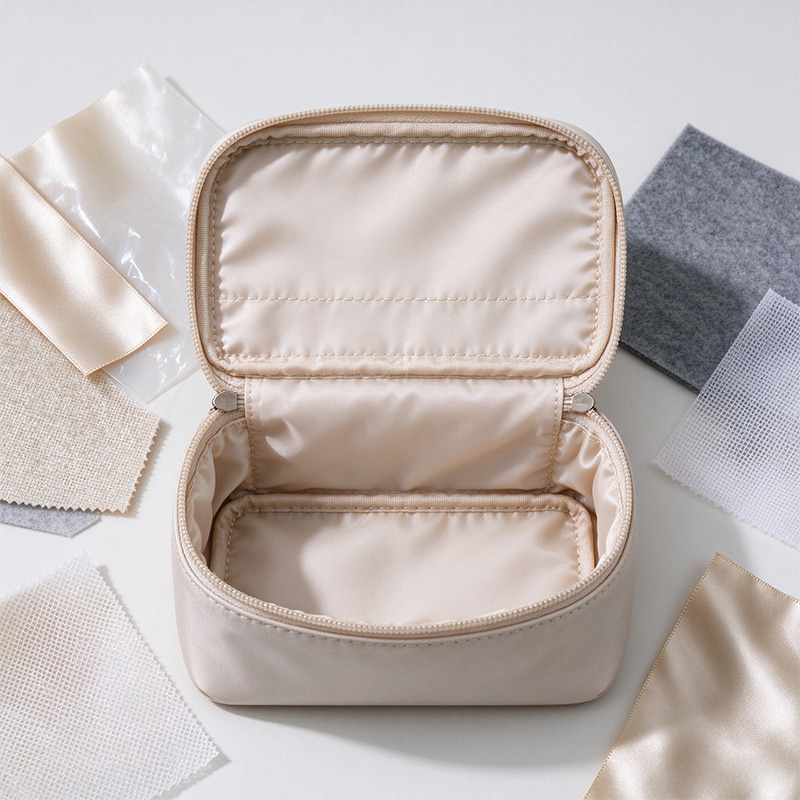
Los materiales más comunes para el forro de los neceseres son los tejidos a base de poliéster, especialmente el poliéster de tejido liso, el tafetán de poliéster, el pongee y el poliéster revestido. Además, el nailon, el TPU, el PEVA, el PVC y el EVA se utilizan con frecuencia en productos con altos requisitos de impermeabilidad y estanqueidad; el poliéster reciclado RPET y el nailon reciclado son adecuados para líneas de marcas sostenibles; la microfibra, la gamuza sintética, el terciopelo y el satén son adecuados para una sensación táctil de alta gama y para su uso como regalo. El algodón, la lona, las mezclas de algodón y poliéster, y las mezclas de algodón y lino también se pueden usar para forrar neceseres, especialmente los de lona, los de estilo natural, los que buscan un enfoque ecológico o los que requieren textura bordada. Sin embargo, su impermeabilidad, resistencia a las manchas y facilidad de limpieza suelen ser diferentes a las de los tejidos sintéticos recubiertos, por lo que es necesario evaluarlas según el uso específico. Tabla de contenido:• Selección por requisitos funcionales• Parámetros técnicos clave para la selección del revestimiento• Procesos de personalización de forros y métodos de presentación de logotipos• ¿Cómo garantizamos el control de calidad integral de los materiales para las marcas?• Preguntas frecuentes• Conclusión I. Selección por requisitos funcionales y análisis de tejidos comunesLa elección del forro para neceseres suele basarse en la resistencia a las manchas y la impermeabilidad, la protección de los cosméticos, la facilidad de limpieza y la conservación de la forma. La siguiente sección clasifica los tejidos según sus requisitos funcionales y explica sus características, usos y precauciones. 1. Categoría Impermeable y Fácil de Limpiar• Película de PVC/TPU: Se utiliza comúnmente para neceseres funcionales y compartimentos de separación de líquidos y sólidos, con un rendimiento excepcional a prueba de agua y fugas. Los líquidos se limpian fácilmente después de salpicaduras. El PVC ofrece un rendimiento excepcional a prueba de agua y transparencia, pero sus riesgos de cumplimiento con REACH y la Proposición 65 deben evaluarse cuidadosamente para los mercados europeos y estadounidenses; el TPU ofrece un mejor rendimiento general en cuanto a respeto al medio ambiente, resistencia a los rayos UV y flexibilidad, lo que lo convierte en la opción preferida para estilos impermeables de alta gama.• PEVA: Libre de cloro, es una alternativa ecológica al PVC que ofrece buena impermeabilidad y fácil limpieza, ideal para marcas con requisitos de sostenibilidad. La exposición prolongada a los rayos UV puede provocar un ligero amarilleamiento, que debe evaluarse durante la fase de muestreo.• EVA: Se utiliza comúnmente para bandejas internas rígidas o revestimientos moldeados, con buen rendimiento impermeable y soporte estructural, adecuado para núcleos internos de neceseres que requieren mantener su forma.• Poliéster recubierto y tela Oxford recubierta (p. ej., recubrimiento de PU, recubrimiento de TPU): Tras aplicar un recubrimiento al poliéster o a la tela Oxford, se forma una película continua en la superficie del forro, impidiendo eficazmente la penetración de líquidos como bases de maquillaje líquidas y cremas para el cuidado de la piel. Resistente al desgaste y a los desgarros, con una buena relación calidad-precio, ideal para neceseres de gran capacidad y estilos funcionales para el día a día. Tenga en cuenta que los recubrimientos y las costuras no son totalmente impermeables.• Poliéster de tejido liso, pongee, tafetán de poliéster: Suministro estable, alta eficiencia de corte y costura, y solidez del color estable, lo que garantiza la uniformidad del color del forro entre diferentes lotes en pedidos al por mayor. Entre ellos, el tafetán de poliéster es ligero y de alta densidad, suave y resistente a los enganches; el pongee y el tejido liso son adecuados para estilos de consumo masivo. Para requisitos básicos de impermeabilidad, se pueden seleccionar versiones con revestimiento ligero.• Tafetán de nailon: Tacto suave, resistencia al desgarro superior a la del poliéster de las mismas características, ideal para neceseres de gama media a alta. El nailon posee propiedades impermeables y se utiliza habitualmente para forros impermeables y fáciles de limpiar. Si el producto prioriza la ligereza, la durabilidad y la comodidad para viajar, el nailon es una opción a tener en cuenta.[Nota adicional] Los tejidos recubiertos solo resisten salpicaduras. La costura convencional crea agujeros de aguja, y los líquidos aún pueden filtrarse a través de las costuras. Si se requiere una impermeabilidad total, es necesario un proceso adicional de termosellado de costuras. 2. Categoría de retención de forma y amortiguación• Fieltro: De alta rigidez y gran soporte, ayuda a que el neceser mantenga su forma tridimensional y proporciona cierta amortiguación y absorción de impactos. Es adecuado para bolsas interiores personalizadas y productos que requieren protección, como polvos compactos y paletas de sombras de ojos. Se debe prestar atención al peso, los métodos de limpieza y el grosor.• Categoría de tejido polar (por ejemplo, microfibra, gamuza sintética, terciopelo): Tacto delicado con una ligera sensación de amortiguación que reduce el deslizamiento y los arañazos en los frascos de cosméticos, ideal para neceseres de gama media a alta. La microfibra, la gamuza sintética y el terciopelo ofrecen una sensación táctil de primera calidad y propiedades antideslizantes, y se utilizan principalmente para combinar con marcas de alta gama.3. Categoría de texturas de alta gama• Acetato satinado: tacto suave y delicado, brillo cálido, buena caída y resistencia a las arrugas, fácil de aplicar y retirar, no engancha las cerdas de las brochas de maquillaje, adecuado para un posicionamiento de lujo ligero.• Satén/Satén común: Superficie lisa, agradable al tacto, con un brillo sutil que realza la elegancia, ideal para regalos y productos que valoran el diseño visual. Es necesario evaluar su resistencia a los enganches, a la abrasión y a la decoloración. El satén de poliéster y el satén de nailon ofrecen excelentes resultados de impresión, siendo adecuados para forros de alta gama.4. Categoría ecológica, reciclada y sostenible• RPET: Fabricado a partir de botellas de PET recicladas mediante trituración, limpieza e hilado. Su tacto, solidez del color y resistencia a la abrasión son prácticamente idénticos a los del poliéster virgen, y puede sustituir sin problemas al poliéster tradicional de tejido liso o tafetán, siendo adecuado para la mayoría de los forros de neceseres convencionales. Es un material de uso común entre las marcas que aplican criterios ESG (ambientales, sociales y de gobernanza).• Nylon reciclado: Se obtiene principalmente de redes de pesca desechadas, fibras de alfombras y otros residuos industriales, regenerados mediante despolimerización y polimerización. En comparación con el RPET, el nylon reciclado ofrece mayor resistencia, elasticidad y resistencia química, además de un tacto más suave y delicado. Sin embargo, su oferta en el mercado es menos estable que la del RPET y su coste suele ser superior.5. Categoría de estilo natural y combinado• Algodón: Tacto natural, agradable para la piel, absorbente de la humedad, adecuado para un estilo natural, posicionamiento ecológico y forros de neceseres de lona.• Lona: Mayor gramaje, buena estructura y resistencia al desgaste, ideal para neceseres, bolsas de aseo, forros de bolsas de viaje o bolsillos exteriores. Al usarla como forro, es necesario considerar el peso, el grosor y el proceso de costura. La lona de algodón puro ofrece buena transpirabilidad y ligereza, siendo adecuada para polvos, brochas de maquillaje y otros artículos que requieren ventilación.El algodón y la lona comunes no son impermeables y absorben fácilmente el color y las manchas. Si entran en contacto directo con cosméticos líquidos, su limpieza resulta difícil. Una solución habitual consiste en combinarlos con bolsas interiores lavables y extraíbles, acabados con revestimiento, bolsas impermeables independientes o estructuras con compartimentos internos. • Mezcla de algodón y poliéster: Combina la sensación natural del algodón con la durabilidad y la estabilidad dimensional del poliéster, ideal para proyectos que requieren un equilibrio entre textura y consistencia en la producción a granel.• Mezcla de algodón y lino: Textura natural prominente, adecuada para marcas de estilo específicas, pero la resistencia a las manchas y la solidez del color deben confirmarse durante la fase de muestreo.6. Otras categorías prácticas• Forro de PU: Texturizado, fácil de limpiar, ideal para el uso diario y productos de gama media. Su superficie densa impide eficazmente la penetración de manchas oleosas como bases de maquillaje líquidas y pintalabios. Se limpia fácilmente con un paño húmedo y requiere poco mantenimiento. Es importante elegir materiales de PU con buena resistencia a la hidrólisis para evitar que el revestimiento se desprenda o se vuelva pegajoso tras un uso prolongado, especialmente en entornos de alta temperatura y humedad donde se requieren pruebas de envejecimiento.• Malla/Malla de tres capas: Excelente transpirabilidad, peso ligero, comúnmente utilizada para compartimentos internos o capas de almacenamiento de brochas en neceseres de cosméticos, facilitando la rápida identificación de los artículos y acelerando la disipación de la humedad interna, reduciendo el riesgo de formación de moho. Sin embargo, debido a su superficie irregular y poros grandes, atrapa fácilmente la suciedad y es difícil de limpiar a fondo. No se recomienda como revestimiento principal en contacto directo con cosméticos líquidos y, por lo general, debe usarse con una bolsa interior impermeable.II. Parámetros técnicos clave para la selección de revestimientosAl seleccionar los tejidos de forro para neceseres, los siguientes parámetros influyen directamente en la calidad del producto final y la experiencia del usuario. Se recomienda verificar cada elemento durante la fase de muestreo. 1. Peso en gramos y espesor• Gramaje bajo (por ejemplo, tafetán de poliéster o pongee de 30-50 g/m²): Ligero y suave, maximiza el ahorro de espacio interno, reduce el peso total, adecuado para neceseres de viaje que buscan la máxima portabilidad y ligereza.• Gramaje medio (p. ej., poliéster, nailon o algodón de tejido liso de 60-100 g/m²): Ofrece un equilibrio entre tacto y durabilidad, siendo la opción más común para la mayoría de los neceseres convencionales. Los tejidos de esta gama tienen una rigidez moderada, mantienen la silueta básica del neceser y proporcionan una buena estabilidad de costura y resistencia a la abrasión, siendo adecuados para el uso diario y para diversas situaciones de almacenamiento.• Gramaje elevado (por ejemplo, lona gruesa de 120 g/m² o más, tejido revestido engrosado o fieltro compuesto): excelente rigidez y soporte estructural, que mantiene eficazmente la forma tridimensional del neceser, evitando la deformación por compresión del contenido interno. Se utiliza habitualmente para neceseres rígidos o diseños interiores que necesitan mantenerse de pie de forma independiente. 2. Tipo de revestimiento y rendimiento impermeableTipo de recubrimientoRendimiento impermeableResistencia a la abrasiónRespeto al medio ambienteAplicación típicaRecubrimiento de poliuretanoBienBienMedioneceseres de uso diarioCompuesto de TPUExcelenteExcelenteExcelenteEstilos impermeables de alta gamaPEVABienMedioBienEstilos de posicionamiento ecológicosCLORURO DE POLIVINILOExcelenteBienEl cumplimiento requiere una evaluación cuidadosa.Estilos transparentesEVABienBien MedioBandejas interiores moldeadas, revestimientos rígidos 3. Solidez del color, resistencia al frotamiento y selección de color.• Los forros deben superar las pruebas de resistencia al frotamiento en seco y en húmedo, cumpliendo con los requisitos del mercado objetivo y de la marca (consulte las normas de ensayo de la industria ASTM/ISO).• La selección de colores debe combinar la visión de la marca, los hábitos de uso del mercado objetivo, las expectativas de limpieza y mantenimiento, y el diseño general.• Los sistemas de color oscuro o medio suelen ser menos propensos a mostrar manchas con el uso diario; los sistemas de color claro tienen un aspecto fresco y se adaptan a algunos tonos de marca, pero pueden mostrar residuos cosméticos con mayor facilidad, por lo que se pueden combinar recubrimientos, acabados de fácil limpieza o bolsas interiores extraíbles y lavables. 4. Resistencia a la rotura y resistencia al desgarro• La resistencia a la rotura y al desgarro del tejido de forro debe cumplir con las normas generales de ensayo del sector, como la ASTM D5034.• Los indicadores específicos deben coincidir con el posicionamiento del producto, los escenarios de uso y los requisitos de calidad de la marca. 5. Tacto, nivel de ruido, resistencia al plegado y compatibilidad con la costura.• El nailon y los tejidos recubiertos pueden generar ruido por fricción, lo cual debe evaluarse durante la fase de muestreo.• Es necesario prestar atención al impacto que tiene el grosor de la microfibra, la gamuza sintética, la lona y otros materiales sobre la eficiencia de la costura y el peso del producto terminado.• Es necesario prestar atención a los materiales recubiertos y en forma de película para comprobar si se blanquean después de doblarlos, si su elasticidad es estable y si las costuras presentan fugas. 6. Métodos de limpieza y escenarios de uso por parte del consumidor• Si el producto está orientado al uso diario en la oficina, viajes, actividades deportivas y otros escenarios, el revestimiento debe priorizar la facilidad de limpieza y la estanqueidad.• Si el producto destaca por su estilo natural o su diseño lavable y extraíble, se pueden considerar el algodón, la lona y las mezclas de algodón y poliéster, combinados con bolsas interiores extraíbles o bolsas de almacenamiento impermeables.• Si el producto se presenta como regalo o pertenece a una marca de alta gama, se pueden considerar materiales como el satén, la microfibra y la gamuza sintética, y los métodos de mantenimiento deben indicarse claramente en las instrucciones. III. Procesos de personalización del forro y métodos de presentación del logotipo1. Dimensiones de personalización del forro• Personalización del color: Teñido según los números de color Pantone. Los primeros pedidos requieren reservar un ciclo de confirmación de color.• Personalización de la textura: tejido liso, sarga, jacquard, satén, nacarado y otros efectos superficiales.• Personalización de impresión: Estampados de marca a todo color, impresión repetida del LOGOTIPO, gráficos de temporada, etc.• Personalización de la estructura: bolsillos para cepillos, bolsas interiores transparentes, bolsillos ocultos con cremallera, puntos de fijación de bandas elásticas, etc.• Material compuesto: Se pueden combinar recubrimientos, laminación, unión, grabado en relieve y otros procesos según los requisitos de impermeabilidad y tacto. 2. Proceso de selección del logotipoProcesoTipos de revestimiento aplicablesDurabilidadCaracterísticas del procesoSerigrafíaPoliéster, nailon, lona y otros tejidosMedioExpresión directa del colorImpresión por transferencia de calorPoliéster, nailon, lona y otros tejidosBienBuena expresión de detalles del patrónBordadoPoliéster, nailon, lona y otros tejidosExcelenteFuerte efecto tridimensionalEtiqueta tejidaTodo tipoExcelenteBajo costoEtiqueta metálicaTodo tipoExcelenteSensación de alta gamaEstampado en caliente/Estampado con láminaSatén, gamuza sintética, cuero sintéticoMedioSensación de alta gama 3. Valor añadido de los forros de marca• Los forros impresos personalizados o las etiquetas tejidas con la marca pueden mejorar la experiencia de desempaquetado del producto y el reconocimiento de la marca.• Para las marcas de venta directa al consumidor y los canales de regalos, los forros con la marca son un medio importante para mejorar el valor percibido.• La personalización del forro no afecta la flexibilidad del diseño de la bolsa exterior y puede formar una solución de marca integral junto con la tela de la bolsa exterior, las cremalleras y el embalaje. IV. ¿Cómo garantizamos el control de calidad integral de los materiales para las marcas?1. Comunicación antes de la fabricación de neceseres OEM:• Confirmación de requisitos: Comprender el posicionamiento del producto del cliente y el mercado objetivo.• Selección de tela: Confirme el material del forro, el gramaje, el revestimiento y el color. 2. Etapa de muestreo• Muestreo: Elaborar muestras, confirmar el tacto, el color y la textura. (Se recomienda realizar al menos una ronda de confirmación física de las muestras antes de realizar el pedido formal).• Confirmación de la muestra: Durante la fase de muestreo, confirme simultáneamente el color del forro, el tacto, el grosor, el revestimiento, el proceso de colocación del logotipo, el efecto de la costura y el rendimiento de limpieza.• Requisitos de conformidad: Si el producto está orientado a los mercados europeos y americanos, los documentos de conformidad con los mercados objetivo y los acuerdos de prueba pueden confirmarse simultáneamente durante la fase de muestreo. 3. Puntos clave de control de calidad• Inspección de materiales entrantes: Verificar la diferencia de color de la tela, el gramaje y el ancho.• Etapa de corte: Comprobar los defectos de la superficie del tejido y la uniformidad del recubrimiento.• Etapa de costura: Compruebe si la unión del forro y la cremallera está plana y si hay puntadas saltadas.• Etapa de producto terminado: Realizar pruebas de limpieza del forro y pruebas de suavidad de la cremallera.• Inspección de salida: Realizar la inspección de apariencia y funcionamiento de acuerdo con los estándares de muestreo SYNBERRY AQL 1.5/4.0. 4. Referencia del método de prueba de limpieza del revestimiento• En el desarrollo real del producto, se pueden utilizar cosméticos reales para realizar pruebas comparativas de limpieza de revestimientos, en lugar de realizar pruebas únicamente con agua.• Las muestras candidatas para el revestimiento se pueden exponer respectivamente a base de maquillaje líquida, lápiz labial, protector solar y otros cosméticos, y luego tratarlas con el mismo método de limpieza y frecuencia de secado, comparando las condiciones de los residuos.• Este método permite evaluar eficazmente el rendimiento práctico de las soluciones de revestimiento durante la fase de muestreo. V. Preguntas frecuentes (FAQ)P1: ¿Cuál es la opción más común para el forro de los neceseres? ¿Se puede usar algodón o lona?A: El poliéster de tejido liso, el tafetán de poliéster, el pongee y el poliéster revestido son materiales de forro para neceseres muy utilizados, especialmente adecuados para estilos funcionales convencionales y de consumo masivo.El algodón, la lona, las mezclas de algodón y poliéster, y las mezclas de algodón y lino también se pueden usar para el forro de los neceseres, especialmente adecuados para neceseres de lona, de estilo natural, con un enfoque ecológico o para productos que requieren textura bordada. Sin embargo, el algodón y la lona generalmente no son impermeables y absorben fácilmente las manchas y el color. Se recomienda combinarlos con bolsas interiores lavables y extraíbles, acabados con revestimiento o diseños de bolsas impermeables independientes. Si se prioriza la impermeabilidad y la estanqueidad, el TPU, el PEVA, el PVC y el EVA son los materiales más comunes; si se prioriza la sostenibilidad, el poliéster reciclado RPET y el nailon reciclado son opciones cada vez más populares. P2: ¿Cuánto tiempo se tarda en tomar muestras de la tela del forro?A: El muestreo de forros convencionales de poliéster o nailon es relativamente rápido, generalmente de 15 a 20 días. Los tejidos recubiertos o los forros con estampados personalizados requieren más tiempo. Si se requiere teñido personalizado o igualación de color Pantone, es necesario reservar un ciclo adicional de confirmación de color. Se recomienda realizar al menos una ronda de confirmación de muestras físicas antes de formalizar el pedido. Los plazos de muestreo específicos deben confirmarse con la fábrica. P3: ¿Cómo elegir entre revestimiento de PVC y revestimiento de PEVA en los mercados europeos y americanos?A: El revestimiento de PVC ofrece la mayor impermeabilidad y una alta transparencia, pero debido a problemas con el cloro y los ftalatos, presenta altos riesgos de incumplimiento según el reglamento REACH de la UE y la Proposición 65 de California. El PEVA no contiene cloro y es una alternativa más ecológica, adecuada para marcas con requisitos de sostenibilidad. P4: ¿Cómo se determinan la cantidad mínima de pedido (MOQ) y el plazo de entrega para los forros impresos personalizados?A: El pedido mínimo para forros estampados personalizados suele negociarse en función de la complejidad del diseño, el método de impresión y el grado de personalización del tejido. La serigrafía es adecuada para lotes grandes, mientras que la impresión digital permite lotes pequeños, aunque con costes unitarios más elevados. En cuanto al plazo de entrega, el ciclo de producción de los forros estampados suele ser más largo que el de los forros de color liso. El pedido mínimo para la impresión convencional comienza en 500 unidades. El pedido mínimo y el plazo de entrega específicos están sujetos a la evaluación de la fábrica. P5: ¿Cómo se puede juzgar la calidad de la tela del forro?A: Las fábricas suelen evaluar los siguientes aspectos: si el peso en gramos cumple con las especificaciones, si el recubrimiento es uniforme y no se descascara, si la solidez del color supera las pruebas generales de la industria, si la resistencia a la rotura cumple con los estándares y si se producen arrugas o roturas de hilo después de la costura. Durante la fase de muestreo, se pueden utilizar cosméticos reales para realizar pruebas comparativas de limpieza, en lugar de juzgar únicamente mediante inspección visual. Durante la producción en masa, se puede llevar a cabo un control sistemático mediante la inspección de la materia prima entrante, la inspección del corte, la inspección de la costura y la inspección de muestras salientes. P6: ¿Es posible que el forro del neceser sea impermeable y permita la personalización del LOGOTIPO?R: Sí. Las soluciones comunes incluyen: impresión del logotipo mediante transferencia térmica sobre forro de poliéster recubierto, serigrafía del logotipo de la marca sobre tejido TPU, o la adición de etiquetas tejidas o impresas al forro. Tenga en cuenta que algunas superficies de recubrimiento pueden afectar la adherencia de la tinta. Se recomienda probar la firmeza de la adherencia del logotipo durante la fase de muestreo. P7: ¿El tejido del forro se decolorará y contaminará los cosméticos?A: Este riesgo existe, por lo que los tejidos de forro deben someterse a pruebas de solidez del color mediante frotamiento en seco y en húmedo, cumpliendo con los estándares del mercado objetivo. Los tejidos oscuros, en particular, requieren una verificación exhaustiva de los indicadores de frotamiento en húmedo. Durante el muestreo, se pueden realizar simultáneamente pruebas de decoloración para evitar problemas posteriores a la venta, como la contaminación de los cosméticos en los productos terminados por el teñido del forro. VI. ConclusiónComo fábrica profesional de bolsos OEM/ODM, ofrecemos a marcas y compradores un servicio integral que abarca desde la selección de la tela del forro y la confirmación de muestras, hasta la personalización del logotipo, la producción en masa y el control de calidad. Ya sea que necesite modelos básicos para el mercado masivo, modelos funcionales impermeables y a prueba de fugas, modelos de alta gama que priorizan la calidad táctil o líneas de marcas sostenibles, podemos ofrecerle soluciones de forro y recursos de la cadena de suministro adecuados según su mercado objetivo y el posicionamiento de su producto. Para obtener muestras de tela de forro o para hablar sobre los requisitos específicos de su proyecto, no dude en ponerse en contacto con nuestro equipo comercial. Autor
VER MÁS
Sí, es una opción perfecta para algunas categorías de bolsos, pero no para todos. El neopreno (nombre científico: caucho de cloropreno, CR) es un material muy adecuado para ciertos tipos de bolsos. Es suave, resistente al agua, altamente amortiguador y ofrece una excelente capacidad de moldeo. Es especialmente apropiado para bolsos de playa, bolsas para equipos de buceo, bolsas para cámaras, bolsas de gimnasio, bolsas para el almuerzo y diversos tipos de bolsos blandos de moda.Si su producto requiere al menos dos de las siguientes características: suavidad, resistencia al agua, protección y facilidad de plegado, el neopreno es casi la opción ideal. Sin embargo, si está diseñando un maletín de negocios estructurado, un bolso de alta gama con textura similar al cuero o un producto de producción en masa donde el precio es un factor crucial, el neopreno podría no ser la solución óptima.Que sea "bueno" o no depende del posicionamiento de su producto, los escenarios de uso previstos y la estructura de costos. En las siguientes secciones, partiremos de las propiedades fundamentales del material y analizaremos paso a paso las consideraciones de producción para ayudarle a determinar si es adecuado para su producto.Tabla de contenido:¿Qué es el neopreno?Ventajas del neoprenoDesventajas del neopreno¿Qué tipos de bolsas son adecuadas para usar con neopreno?Recomendaciones prácticas para la personalización de bolsas de neoprenoPreguntas frecuentesConclusión 1. ¿Qué es el neopreno?El neopreno (caucho de cloropreno, abreviado como CR) fue inventado por la empresa estadounidense DuPont en la década de 1930. Originalmente se desarrolló para trajes de neopreno, por lo que la primera impresión que mucha gente tiene de él proviene del término "material de buceo". Su nombre científico es caucho de policloropreno, un tipo de caucho sintético producido mediante la polimerización de monómeros de cloropreno.En la industria de fabricación de bolsos, el material que se suele utilizar no son láminas de caucho puro, sino un compuesto de espuma de neopreno: un material laminado que se obtiene al unir una capa de espuma de neopreno con tejido de nailon o poliéster. Una estructura común consta de: una capa exterior de tejido de nailon/poliéster, una capa intermedia de espuma de neopreno y una capa interior opcional de forro. La proporción de espumado (por ejemplo, espesores de 2 mm, 3 mm y 5 mm, con suavidad y firmeza diferenciadas por la dureza Shore y la densidad) determina la estructura, la rigidez y la capacidad de amortiguación del producto final.Una vez que comprenda su estructura tipo sándwich, podrá entender todas las ventajas y desventajas del neopreno como material para bolsas. Este es el punto de partida lógico para todas las evaluaciones y decisiones posteriores. 2. Ventajas del neopreno 2.1 Excelente resistencia al agua y a la humedadEl neopreno posee una estructura de espuma de celda cerrada, con una tasa de absorción de agua extremadamente baja que permite la penetración de muy poco vapor de agua. Esta característica lo hace idóneo para las siguientes aplicaciones:Bolsas de playa/bañera: Los trajes de baño y las toallas mojadas se pueden colocar directamente en su interior sin que el agua traspase la capa exterior y moje otras pertenencias. Además, es menos propenso al crecimiento de moho.Bolsas para el almuerzo / Bolsas térmicas: La estructura de celda cerrada actúa como una capa aislante. Al combinarse con un revestimiento de papel de aluminio, puede mantener el contenido frío durante varias horas, lo que convierte al neopreno en un material muy popular en el mercado de bolsas para el almuerzo en Europa y Norteamérica.Bolsas para deportes acuáticos y al aire libre: Adecuadas para bolsas de paddle surf, bolsas de barranquismo y bolsas para equipos de vela. 2.2 Propiedades de amortiguación y protección naturalesLa capa de espuma actúa como un amortiguador incorporado. Esta es la principal ventaja que distingue al neopreno de casi todos los tejidos tradicionales para bolsas:Bolsas para cámaras / Bolsas para drones / Bolsas para instrumentos: Una capa de neopreno de 3 a 5 mm proporciona protección contra caídas e impactos para equipos de precisión, eliminando la necesidad de un forro adicional de algodón perlado o espuma EVA.Fundas para portátiles: Este es uno de los mercados más consolidados para las aplicaciones de neopreno. El material es ligero y flexible, a la vez que capaz de absorber impactos en caso de caída.Bolsas para botellas de vino: Las bolsas de neopreno para una o dos botellas de vino son categorías de productos comunes en el mercado de regalos.Para lograr el mismo nivel de protección, los tejidos tradicionales requieren un acolchado y una amortiguación adicionales, lo que se consigue a expensas de la suavidad y la ligereza. 2.3 Suavidad y capacidad de plegadoLas bolsas de neopreno se pueden plegar y guardar cuando no se usan, lo que facilita guardarlas en un cajón o en otra bolsa. Una vez llenas, también se adaptan a los contornos del cuerpo. Esto las hace especialmente adecuadas para:Bolsas de gimnasio/bolsas de yoga: El cuerpo blando de la bolsa se puede guardar fácilmente en una taquilla del gimnasio.Bolsas organizadoras de viaje: Se pueden plegar y guardar en una maleta, pero ofrecen una capacidad considerable cuando están desplegadas.Bolsas para pañales / Bolsas para bebés: El cuerpo suave de la bolsa no ejercerá presión incómoda sobre el bebé y, además, es más fácil de guardar en la cesta de almacenamiento del cochecito.En comparación, las bolsas de lona y cuero suelen presentar un dilema: «si son blandas, carecen de estructura; si son rígidas, se vuelven voluminosas y pesadas». El neopreno logra un mejor equilibrio entre «suavidad» y «mantenimiento de la forma». 2.4 Excelente versatilidad de impresión y diseñoEl tejido de nailon/poliéster adherido a la superficie del neopreno es un excelente soporte para la impresión. La impresión digital, la serigrafía y la impresión por transferencia térmica ofrecen resultados muy buenos, con colores vibrantes y detalles nítidos. Además, los diseños impresos son menos propensos a agrietarse al estirar el material.Además, el cuerpo del bolso puede diseñarse con bordes ondulados, cremalleras de colores contrastantes, paneles de colores contrastantes y otras características distintivas. En los últimos años, el neopreno se ha convertido en una opción popular para marcas de moda de tendencia, colecciones de colaboración con marcas reconocidas y bolsas de regalo corporativas personalizadas.La creciente popularidad de marcas de diseño como Jacquemus también ha contribuido a que los bolsos de neopreno suaves y de estilo escultural cobren protagonismo. 2.5 Fácil de mantener y resistente a las manchasLa capa de espuma de neopreno crea una barrera contra la penetración de líquidos. Al laminarla con un tejido exterior ligeramente resistente al agua y fácil de limpiar, como nailon o poliéster impermeable de alta densidad, es poco probable que las manchas cotidianas (como derrames de café, salpicaduras de barro y marcas de sudor) penetren en el interior.En la mayoría de los casos, la superficie puede quedar limpia simplemente limpiándola suavemente con un paño húmedo y una pequeña cantidad de detergente suave y neutro. No es necesario lavarla con frecuencia como ocurre con la lona, y además se evitan las molestias del mantenimiento regular asociado al cuero. 3. Desventajas del neoprenoEl neopreno es un material diseñado para aplicaciones específicas, no un tejido universal para bolsos. Cuando resuelve un problema práctico, puede ofrecer un rendimiento excelente. Sin embargo, si lo elige simplemente porque una muestra resulta suave y de alta calidad al tacto, normalmente revisaremos detenidamente las especificaciones completas del producto antes de proceder a la fase de muestreo.Una evaluación racional de un material no puede centrarse únicamente en sus ventajas. Las desventajas del neopreno también están determinadas por su estructura: 3.1 Las bolsas terminadas pueden ser más pesadas de lo esperado.Un pequeño trozo de neopreno puede no parecer especialmente pesado. Sin embargo, una vez que la gran superficie de la estructura tipo sándwich se combina con cremalleras, correas y herrajes, el peso total puede aumentar significativamente.Tomando como ejemplo el tejido laminado de neopreno de 3 mm de grosor, de uso común, su peso por metro cuadrado es considerablemente mayor que el del nailon 210D o el tejido Oxford 600D. Esto cobra especial importancia cuando el producto debe ser ligero o estar diseñado para transportarse durante largos periodos. 3.2 Transpirabilidad limitadaDebido a que la capa central del neopreno consta de una estructura de espuma de celda cerrada, sus densas propiedades físicas no solo impiden la penetración de la humedad, sino que también bloquean eficazmente la circulación del aire. Esto significa que las bolsas de neopreno prácticamente no son transpirables.Cuando la circulación del aire es la consideración principal, generalmente no elegimos el neopreno como material. 3.3 La costura requiere conocimientos especializadosDebido a la elasticidad única de los materiales de espuma, el neopreno puede presentar problemas de alimentación de la tela, puntadas saltadas y arrugas durante la costura. Requiere un control preciso de la longitud de la puntada, el tipo de aguja y los métodos de alimentación de la tela. Los materiales gruesos también son propensos a que las costuras se abran en las esquinas, por lo que es fundamental contar con operarios de costura experimentados.Si una pequeña fábrica no tiene experiencia previa en la costura de materiales de espuma, la tasa inicial de defectos puede ser relativamente alta.Además, la soldadura ultrasónica sin costuras no puede reemplazar por completo la costura para lograr la impermeabilización con neopreno. La soldadura de alta frecuencia es una opción, pero requiere una inversión considerable en equipos. La mayoría de los productos aún necesitan cremalleras resistentes al agua para lograr un nivel de impermeabilidad superior a la protección básica contra salpicaduras. 3.4 Propenso a arrugas y marcas de compresiónDurante el almacenamiento o transporte prolongado en estado plegado, la capa de espuma de neopreno tiende a desarrollar marcas de compresión a lo largo de los pliegues, lo que afecta la suavidad y el aspecto general del producto. Tras recibir un producto plegado o comprimido, los usuarios suelen necesitar dejarlo reposar para que el material recupere su forma original.Para productos diseñados para ser "listos para usar" o posicionados como regalos de alta gama, se deben incorporar estructuras de soporte adicionales en el diseño del empaque para evitar una compresión excesiva. 3.5 Coste superior al de los tejidos convencionalesEl precio del tejido de poliéster laminado con neopreno de 3 mm es aproximadamente de 3 a 5 veces superior al del tejido Oxford 600D convencional. Además, el desperdicio por corte es mayor (la elasticidad de los materiales de espuma hace que la disposición del tejido sea menos compacta que en los tejidos lisos) y la eficiencia de la costura es menor. En consecuencia, el coste total es significativamente superior al de los productos a base de poliéster o nailon.Esto hace que el neopreno no sea adecuado para productos de bajo precio y gran volumen, sino más bien para productos funcionales o de diseño con márgenes de beneficio medios o altos. 4. ¿Qué tipos de bolsas son adecuadas para el neopreno?Al sopesar las ventajas y desventajas analizadas en las dos secciones anteriores, podemos establecer un marco claro para la toma de decisiones.Categorías de productos recomendadas:Fundas y bolsas organizadoras para cámaras, drones e instrumentos: ideales cuando la amortiguación y la protección son los requisitos principales.Fundas para portátiles: Una categoría de producto consolidada con un panorama competitivo bien definido.Bolsas para el almuerzo / Bolsas isotérmicas: Ideales para productos que requieren tanto aislamiento térmico como protección contra fugas.Bolsas para botellas de vino / Fundas para vasos: Adecuadas para productos que combinan funcionalidad protectora con atractivo para regalo.Bolsas de playa / Bolsas de natación / Bolsas para deportes acuáticos: Ideales para aplicaciones donde la resistencia al agua es el requisito principal.Riñoneras deportivas: Adecuadas para productos que priorizan la suavidad y la facilidad de limpieza.Bolsas para pañales / Bolsas de cosméticos: Adecuadas para productos que requieren suavidad, resistencia a las manchas y resistencia al agua.Categorías de productos no recomendadas:Maletines y bolsos estructurados para el día a día.Bolsos de alta gama que requieren una textura similar al cuero de primera calidad.Bolsas de producción masiva de gama baja a media: La estructura de costos no es viable.Productos a corto plazo con fuerte estacionalidad 5. Recomendaciones prácticas para la personalización de bolsas de neoprenoPara las marcas y las fábricas de mochilas, seleccionar el material es solo el primer paso. Hay cinco factores clave que controlar durante la implementación: 5.1 Espesor y durezaEl grosor estándar del neopreno utilizado para bolsos suele ser de 2 a 5 mm. Un grosor de 2 a 3 mm es suficiente para las fundas interiores. Para bolsos que necesitan mantenerse de pie, se recomienda un grosor de 4 a 5 mm, o bien se puede añadir un forro mediante laminación.Durante el muestreo, asegúrese de comprobar la recuperación del material tras el plegado y el grado de deformación bajo carga. Esto garantiza que el grosor se ajuste a sus expectativas en cuanto a la estructura y la forma de la bolsa. 5.2 Calidad de laminaciónLa calidad de laminación de la estructura de material de tres capas (tejido exterior + capa de espuma + forro) determina la vida útil del producto. Una laminación de baja calidad puede empezar a delaminarse o formar burbujas tras solo unos meses de uso, mientras que las capas laminadas de alta calidad deben estar firmemente unidas y ser difíciles de separar a mano.Por lo tanto, elegir una fábrica de bolsos profesional con experiencia en la fabricación de productos similares es fundamental. 5.3 Control de oloresDurante los procesos de espumado y laminación, el neopreno puede retener inevitablemente cierto olor químico, comúnmente conocido como "olor a goma" o "olor a pegamento". Si bien los materiales que cumplen con las normas ambientales pierden gradualmente su olor tras la ventilación, los olores desagradables al abrir el paquete pueden generar fácilmente reseñas negativas, especialmente entre usuarios sensibles a los olores, como padres que compran productos para bebés y quienes reciben regalos de alta gama.Por lo tanto, durante el proceso de fabricación OEM de bolsas de neopreno, prestamos especial atención a los siguientes factores:Fuente del materialProceso de laminaciónCondiciones de embalajeTiempo de ventilación antes del envío 5.4 Selección de cremalleras Determina el nivel de resistencia al agua.Las cremalleras de nailon comunes son uno de los principales puntos por donde puede filtrarse el agua en productos resistentes a las salpicaduras. Para productos con mayores requisitos de resistencia al agua, se deben usar cremalleras impermeables o estancas (como la serie de cremalleras impermeables de YKK), o bien se debe añadir una solapa impermeable en el interior de la cremallera.Es importante tener en cuenta que las cremalleras impermeables suelen ser más rígidas que las cremalleras normales, ofrecen mayor resistencia al abrirlas y cerrarlas, y cuestan más.Si el producto no está destinado al buceo profesional ni a entornos exteriores extremos, no es necesario buscar a ciegas el máximo nivel de impermeabilidad en la cremallera. Hacerlo podría perjudicar la experiencia del usuario y aumentar innecesariamente los costes. 5.5 Resistencia a la corrosión de los herrajes metálicosTeniendo en cuenta que las bolsas de neopreno se utilizan a menudo en ambientes húmedos, los herrajes metálicos deben tener una excelente resistencia a la corrosión. En la práctica, prueba de niebla salina Puede utilizarse para evaluar la resistencia a la corrosión de los componentes. Se debe dar prioridad a los componentes de aleación de zinc con un recubrimiento electrolítico grueso o a los de acero inoxidable.Esto ayuda a prevenir la oxidación y el óxido rápidos causados por la exposición a ambientes costeros o la transpiración, que de otro modo podrían comprometer la apariencia general y la calidad percibida del producto. 6. Preguntas frecuentes P1: ¿Cuál es la diferencia entre el neopreno y el SBR?El CR (caucho de cloropreno/neopreno) y el SBR (caucho de estireno-butadieno) son ambos cauchos sintéticos, y ambos pueden fabricarse en una estructura tipo sándwich compuesta por tejido exterior, capa de espuma y forro. Su apariencia, tacto y grosor pueden ser prácticamente idénticos. Sin embargo, según la experiencia práctica en la fabricación OEM de bolsas de neopreno, existen dos diferencias notables entre ambos materiales:Resistencia y recuperación de la forma: El CR ofrece mayor resistencia y se recupera más rápidamente de las marcas de compresión tras el plegado, lo que lo hace menos propenso a la deformación durante su uso prolongado. El SBR, por el contrario, tiene una resistencia relativamente menor y es más propenso a desarrollar pliegues permanentes o a colapsar tras repetidos plegados o fuertes compresiones.Durabilidad y resistencia a la intemperie: El CR ofrece mayor durabilidad y resistencia a la intemperie, con una resistencia significativamente superior a la radiación UV, el ozono y la corrosión del agua de mar que el SBR. Cuando se expone a la luz solar o a ambientes húmedos durante períodos prolongados, el SBR es más susceptible al envejecimiento, el endurecimiento y la pulverización de la superficie.La siguiente tabla compara las características de rendimiento inherentes y los costos de los dos materiales:La siguiente tabla compara sus características de rendimiento inherentes y sus costes:Factor de comparación CR (Neopreno auténtico) SBR (caucho de estireno-butadieno)Resistencia a la abrasión Bueno, pero no tan bueno como SBR. Excelente; se utiliza comúnmente en bolsas que requieren mayor resistencia a la abrasión.Resistencia a la temperatura Aproximadamente de -40 °C a +120 °C Aproximadamente de -20 °C a +80 °CDurabilidad Excelente; menos propenso a la formación de polvo durante el uso prolongado. Promedio; propenso a agrietarse y desprenderse en polvo al aire libre.Elasticidad y tacto Flexible y con buena resistencia Resiliencia relativamente más débil que CRCosto Alto; CR cuesta aproximadamente el doble que SBR. Parte inferior; el material predominante utilizado en muchos productos de "tejido para buceo" en el mercado.Olor Relativamente leve Generalmente más perceptibleResumen: El SBR es una alternativa económica al neopreno. Si las principales características de su producto son la suavidad, la amortiguación, la resistencia al agua y a las manchas (como en el caso de bolsos de playa, bolsas para cámaras y bolsas para el almuerzo), el SBR suele ser una opción rentable. Sin embargo, si desea promocionar la calidad del neopreno auténtico, posicionar el producto a un precio superior o satisfacer las exigencias de los clientes en cuanto a resistencia a la temperatura, recuperación de arrugas y resistencia a la intemperie, el CR podría ser la mejor opción. La diferencia de precio también debe tenerse en cuenta en su estrategia de precios. P2: ¿Se pueden lavar a máquina las bolsas de neopreno?No se recomienda lavar a máquina. Si bien el neopreno en sí resiste el lavado, las capas adhesivas y las costuras de la estructura tipo sándwich no soportan la agitación vigorosa ni las altas fuerzas centrífugas del ciclo de centrifugado de una lavadora. El lavado a máquina puede provocar fácilmente la delaminación del tejido, la formación de burbujas e incluso deformaciones irreversibles o daños en los componentes.El método de limpieza correcto consiste en usar agua tibia y un detergente neutro, frotando suavemente las zonas manchadas con un paño suave o una esponja. A continuación, enjuague cualquier resto de detergente con agua limpia y deje que la bolsa se seque al aire libre en un lugar fresco y bien ventilado.Evite la exposición directa al sol y el secado en secadora a alta temperatura, ya que el calor puede acelerar el envejecimiento del caucho, provocando que se endurezca o incluso se agriete. Para olores persistentes o una limpieza profunda, considere acudir a una tintorería profesional. Sin embargo, infórmeles con antelación sobre las propiedades del material para asegurarse de que eviten el uso de disolventes fuertes. P3: ¿Se pueden personalizar las bolsas de neopreno para darles diferentes formas?Sí, pero las posibilidades están limitadas por las propiedades del material. El neopreno tiene cierto grado de flexibilidad y se puede moldear en patrones texturizados sencillos mediante prensado térmico. Sin embargo, a diferencia del EVA o los plásticos moldeados por inyección, no permite obtener fácilmente estructuras geométricas complejas ni ángulos rectos pronunciados.Si se requiere una apariencia muy estructurada y rígida, generalmente se necesita un refuerzo interno (como planchas de PP o láminas de EVA) o una capa de espuma más gruesa (de más de 5 mm).Para diseños que buscan lograr un "efecto escultórico suave", recomendamos consultar con la fábrica durante la fase de diseño y utilizar la construcción con múltiples paneles y la segmentación estructural para crear la forma deseada, en lugar de depender del soporte estructural natural de un solo material. P4: ¿Son pesadas las bolsas de neopreno?Las bolsas de neopreno pueden ser más pesadas de lo que los compradores esperan, especialmente cuando se combinan grandes superficies de tejido de neopreno con forro, correas, cremalleras y herrajes metálicos. Pueden ser considerablemente más pesadas que las bolsas comunes de poliéster y nailon. P5: ¿Son respetuosas con el medio ambiente las bolsas de neopreno?Esta cuestión debe abordarse desde diversas perspectivas. En cuanto a los materiales en sí, tanto el caucho de cloropreno (CR) como el caucho de estireno-butadieno (SBR) son cauchos sintéticos difíciles de biodegradar de forma natural y no se consideran materiales biodegradables. Sin embargo, su desempeño ambiental durante la producción y el uso reales depende de los procesos de fabricación y las normas específicas empleadas.La primera consideración es el adhesivo y el proceso de laminación. Los adhesivos tradicionales a base de solventes pueden contener compuestos orgánicos volátiles (COV), que no solo producen olores fuertes, sino que también son perjudiciales para el medio ambiente. Actualmente, muchas cadenas de suministro de gama media y alta han optado por adhesivos a base de agua o procesos de laminación con adhesivos termofusibles, lo que reduce significativamente las sustancias residuales nocivas y ayuda a que los productos cumplan con las principales normativas ambientales, como los requisitos REACH y RoHS de la UE. P6: ¿Es el neopreno mejor que el nailon o el poliéster para la fabricación de bolsas?No necesariamente. Si priorizas un peso mínimo, un precio bajo y una alta transpirabilidad, elige nailon o poliéster. Si necesitas resistencia al agua, amortiguación, un tacto suave o una estética distintiva, y puedes asumir un mayor coste y peso, el neopreno puede ser la mejor opción.Muchas marcas de alta gama incluso adoptan una "estrategia híbrida", utilizando neopreno para el cuerpo principal e incorporando paneles de poliéster o nailon en áreas clave para combinar las ventajas de ambos materiales. 7. ConclusiónNo existe una distinción absoluta entre materiales buenos y malos; lo que importa es si el material es el adecuado para la aplicación. Para los fabricantes y marcas de bolsos, la mejor práctica es trabajar a la inversa, partiendo del marco de “escenario de aplicación–función–material” durante la etapa de desarrollo del producto. Utilice neopreno donde mejor se desempeñe y aborde sus limitaciones mediante procesos de fabricación e inspecciones de calidad. Cuando se aplica correctamente, el neopreno puede convertirse en un activo valioso para su línea de productos, ofreciendo un potencial significativo tanto para la diferenciación del producto como para los márgenes de beneficio.SYNBERRY BAG cuenta con más de 30 años de experiencia en la fabricación de bolsas OEM/ODM y se especializa en el procesamiento avanzado de materiales y la fabricación de precisión en una amplia gama de materiales. Comprendemos los requisitos específicos del neopreno en laminación, costura y control de calidad, y brindamos asistencia profesional durante todo el proceso, desde la selección del material hasta la entrega del producto terminado.Ya sea que esté desarrollando fundas protectoras funcionales que prioricen la máxima amortiguación o bolsos de diseño que muestren una estética de moda contemporánea, SYNBERRY BAG puede ayudar a las marcas a traducir conceptos creativos en productos terminados con precisión, equilibrando rendimiento, costo y estética para crear productos de alta calidad que resistan la prueba del mercado. Autor
VER MÁSContinúe leyendo, manténgase informado, suscríbase y lo invitamos a contarnos lo que piensa.




Derechos de autor
@2024 Synberry Bag & Package Products Co.,Ltd Reservados todos los derechos
.
 RED SOPORTADA