
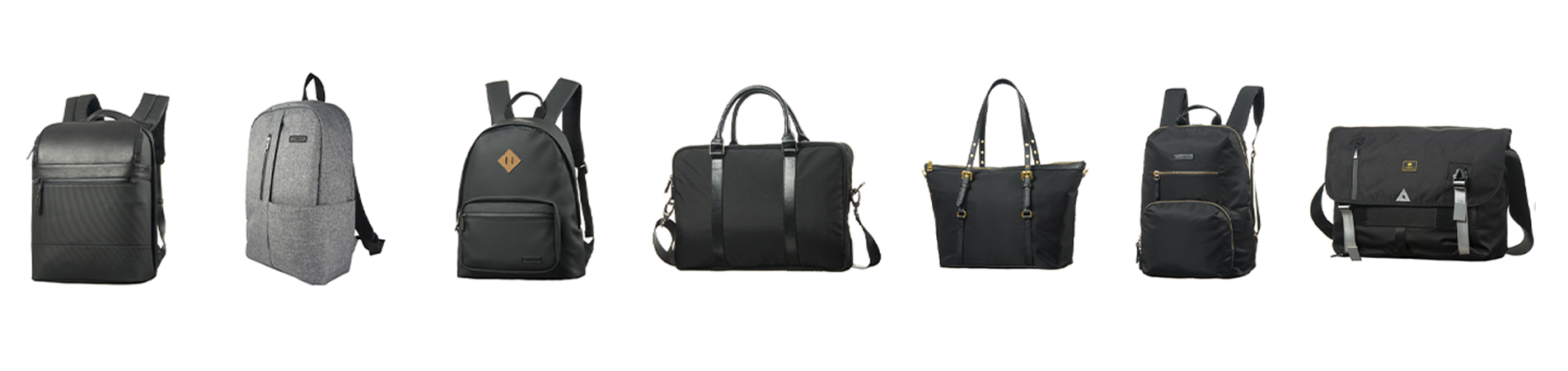
The coating on PU leather bags can peel off for several reasons. Common causes include physical abrasion and scratching during everyday use, oxidation resulting from prolonged UV exposure, and chemical damage caused by frequent contact with alcohol or aggressive cleaning agents. However, in most after-sales complaints where there is no obvious external damage, the underlying cause is PU hydrolysis.
Hydrolysis is an irreversible chemical degradation process. Moisture, including humidity in the air, reacts with the ester bonds in polyester-based polyurethane, causing the polymer chains to break. In simple terms, moisture gradually undermines the coating from within, causing it to lose elasticity and become brittle. Under normal flexing, the weakened coating eventually separates from the backing fabric and flakes off in sheets or fragments.
This article examines the chemistry behind PU hydrolysis and explains how selecting the right material system and implementing proper warehousing and logistics practices can help reduce the risk at its source.
Contents
Ⅰ. Four Major Causes of Coating Peeling on PU Leather Bags
Ⅱ. Understanding PU Hydrolysis: Why Does the Coating Deteriorate?
Ⅲ. What Factors Accelerate PU Hydrolysis?
Ⅳ. How Can B2B Buyers Manage the Risk of Hydrolysis?
Ⅴ. Frequently Asked Questions (FAQ)
Ⅵ. Conclusion
Before taking a closer look at hydrolysis, it is important to distinguish among the different causes of coating delamination. Not every case of peeling is caused by hydrolysis.
https://www.synberry.com/why-are-brands-choosing-pu-leather-for-cosmetic-bags
• Physical Wear and Tear: Prolonged, intensive rubbing and scratching—such as abrasion on the bottom of a backpack or around frequently rubbed corners—gradually wear down the coating until the backing fabric is exposed. Typical signs: damage is concentrated on high-contact corners or edges and is accompanied by visible scuff marks.
• UV Oxidation: Long-term exposure to direct sunlight can make the coating surface brittle and cause it to crack. These cracks allow moisture to penetrate, accelerating subsequent aging and peeling. Typical signs: cracking first appears on sun-exposed areas and is often accompanied by fading.
• Chemical Attack: Repeated wiping with high-alcohol-content wipes or powerful cleaning agents can dissolve or damage the surface structure of the PU coating. Typical signs: the damaged area closely matches the area exposed to the chemical, with clearly defined edges.
• PU Hydrolysis: This is a chemical degradation process that progresses from the inside out. It may cause the coating to become sticky, blister, crack, and eventually detach in large pieces. It is a form of deep-seated aging associated with the chemical characteristics of polyester-based PU synthetic leather. Typical signs: there are no obvious scratches caused by external force; the damage spreads gradually and is often accompanied by a powdery or sticky coating.
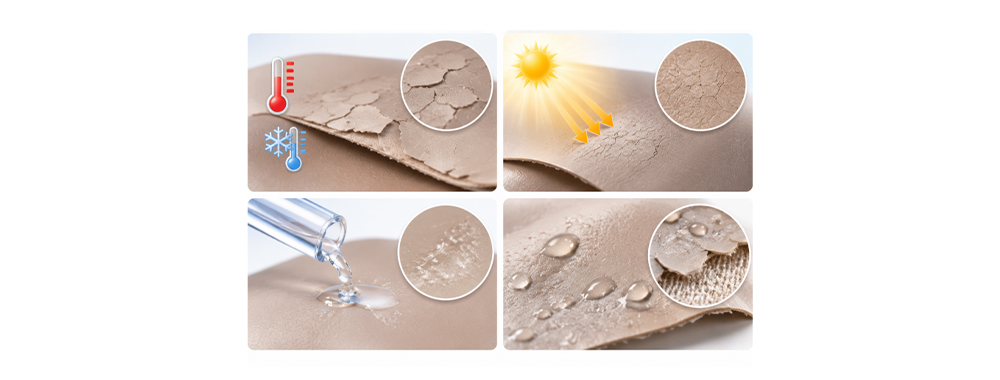
When consumers or buyers find extensive peeling or a sticky surface on a bag with no obvious scratches, hydrolysis is often the underlying cause.
The polymer structure of a PU coating can be thought of as a network of tightly interwoven chains. Conventional polyester-based PU contains numerous ester bonds along these chains. When moisture in the environment, perspiration, or residual water from cleaning penetrates the coating, it can react with these ester bonds. Organic acids and salts in perspiration may act as catalysts, accelerating the reaction and breaking long polymer chains into shorter, weaker fragments. By contrast, the main chains of polyether-based PU contain ether linkages, which are more chemically stable and less susceptible to the same type of hydrolysis.
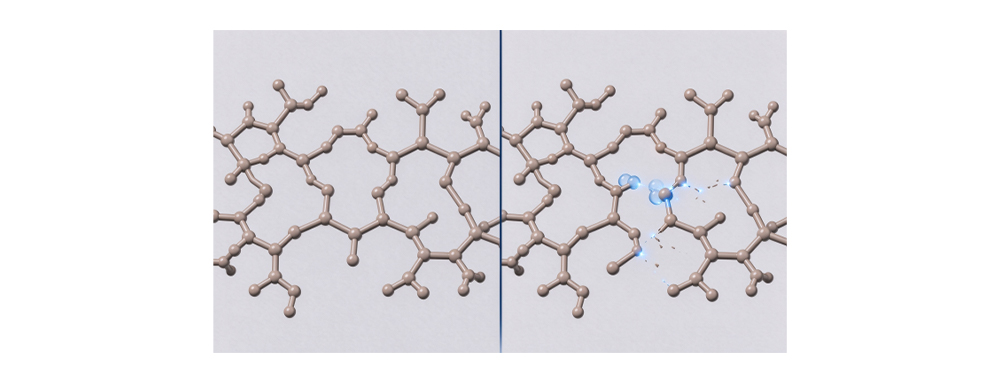
Hydrolysis does not occur instantaneously. It typically develops through three stages:
• Tackiness or Brittleness: As polymer chains break, the coating loses its original elasticity and flexibility, and subtle changes begin to appear on the surface.
• Blistering and Cracking: As the topcoat resin degrades, its cohesive strength decreases. Two types of blistering should be distinguished: internal bubbles caused by degradation of the PU topcoat itself, and bubbles at the interface between the topcoat and backing fabric caused by moisture-induced failure of the laminating adhesive. The latter is not hydrolysis of the PU resin.
• Final Delamination: The weakened coating can no longer withstand routine bending and handling. It eventually separates completely from the backing fabric, which may be cotton or polyester, resulting in the peeling commonly seen on PU leather products.
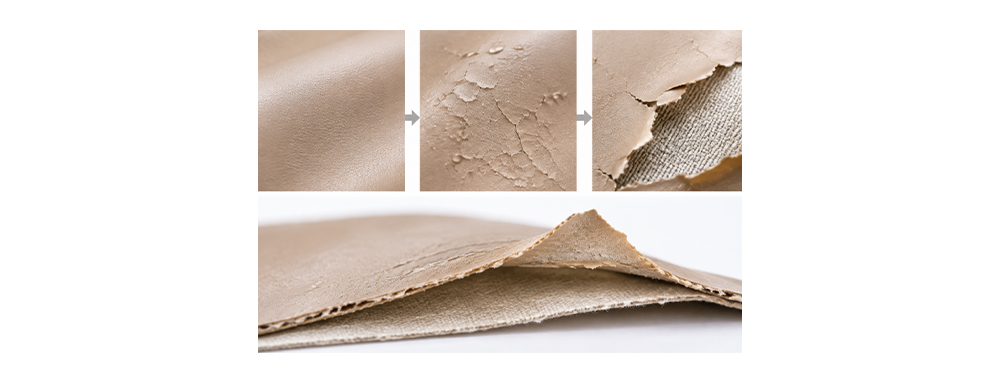
Hydrolysis changes the chemical structure of the material and is therefore irreversible. Once the coating becomes visibly sticky or begins to delaminate, surface cleaning, conditioning, or recoating cannot reconnect the polymer chains that have already been broken.
The rate of hydrolysis is closely related to the external environment in which the material is stored or used. Understanding these accelerating factors helps brands and cross-border e-commerce sellers prepare for risks throughout the supply chain.
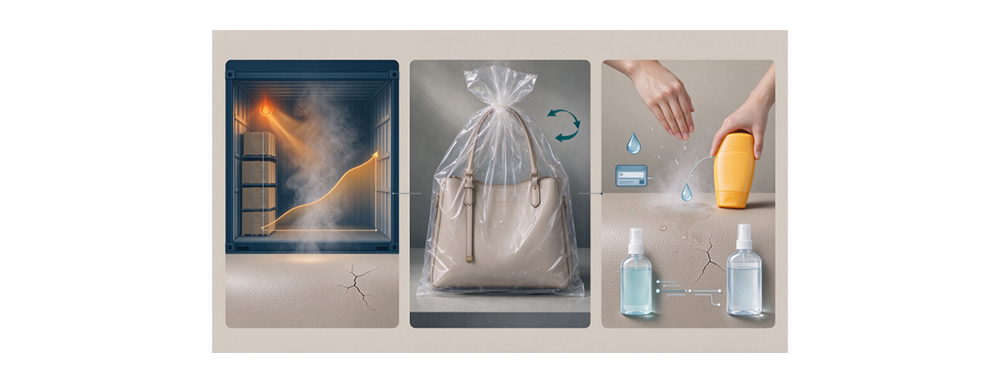
Temperature and humidity are key variables affecting the rate of hydrolysis. In tropical and subtropical monsoon regions, or inside shipping containers during long-distance ocean freight, high temperatures combined with localized condensation can significantly accelerate hydrolysis. Similarly, moisture can gradually penetrate bags stored for extended periods in poorly ventilated, high-humidity warehouses.
If finished bags are not thoroughly dried before packing, or are sealed in plastic bags for extended periods, residual moisture may become trapped inside. This can create a localized high-humidity, greenhouse-like environment that accelerates coating deterioration.
Human perspiration contains organic acids and salts that can catalyze ester-bond hydrolysis. In addition, everyday products such as sunscreen, insect repellent, and alcohol-based hand sanitizer may reduce the coating's hydrolysis resistance.
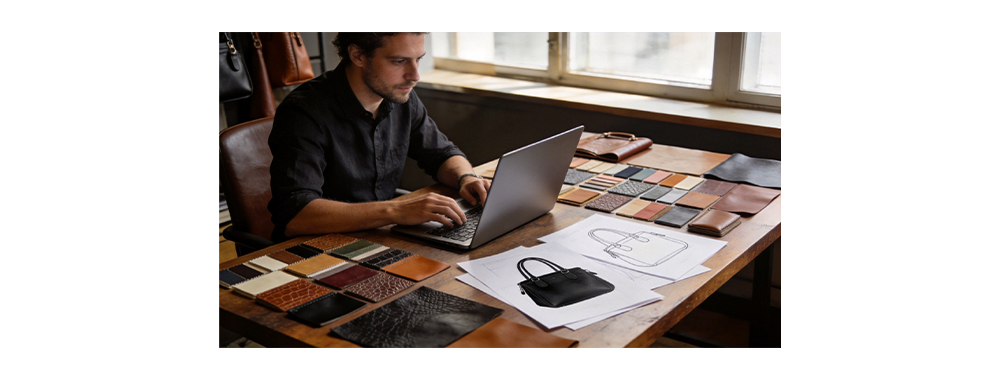
As an OEM/ODM supplier of bags and leather goods, we recommend that B2B customers select a PU material system based on the climate of the target market and the expected product service life during the sourcing and order-placement stages, rather than focusing narrowly on the label “hydrolysis-resistant.”
Important note: Hydrolysis resistance of the topcoat does not guarantee hydrolysis resistance of the entire bag. Even if the top layer is made from polyether-based material, a conventional polyester-based laminating adhesive may still hydrolyze and cause delamination under prolonged hot and humid conditions. The resulting appearance can closely resemble hydrolysis of the topcoat. For orders involving long ocean-transit times or high-humidity markets, the hydrolysis-resistant adhesive system must also be verified.
|
Material System |
Hydrolysis Resistance |
Suitable Markets and Applications |
Cost and Processing Considerations |
Performance Trade-Offs |
|
Conventional polyester-based PU |
Relatively low; prone to hydrolysis-related delamination in hot and humid environments. |
Fast-moving consumer goods markets with dry climates, moderate temperatures, and relatively short product replacement cycles. |
Significant cost advantage; established, conventional processing methods. |
Good abrasion resistance and UV resistance; no hydrolysis stabilizer is included. |
|
Modified polyester PU (with hydrolysis stabilizer) |
Moderate; better than conventional polyester PU but less resistant than polyether PU. |
Moderate-humidity environments and budget-conscious projects; not suitable for extremely humid, hot, long-ocean-transit conditions. |
Moderately low cost and good process compatibility. |
Service-life improvement has limitations. The regulatory compliance of carbodiimide-based stabilizers should be checked in advance. |
|
Polyether-based TPU |
Excellent hydrolysis resistance; dense structure with strong aging resistance and washability. |
High-humidity climates, frequent washing, and outdoor or professional equipment requiring a very long service life. |
Higher cost and a relatively narrow processing window; production capacity should be confirmed in advance. |
Can feel relatively stiff, limiting the hand-feel options for some designs. Note: Polyester-based TPU has hydrolysis resistance close to conventional polyester PU and must not be treated as equivalent to polyether-based TPU. |
To avoid performance differences between the approved sample and the bulk production run, the supplier and customer should confirm and lock in the exact material specifications during the sampling stage. For orders destined for hot and humid regions or involving long ocean-transit times, both parties can assess whether third-party accelerated aging tests are necessary based on the actual requirements. The specific test standards and acceptance criteria should be agreed upon by both parties during order negotiations.
• Use of Desiccants: For long-distance ocean shipments or destinations with high humidity, we recommend placing an appropriate amount of desiccant inside the packaging to absorb moisture and potential condensation inside the shipping container.
• Breathable Packaging: Avoid heat-sealing finished products in plastic bags before they are completely dry. Use packaging materials with suitable air permeability.
• Warehousing: Brands should pay attention to warehouse ventilation and temperature and humidity control when products are received into storage. Avoid keeping products in extremely humid environments for extended periods.
Improving a material's hydrolysis resistance does not replace chemical compliance requirements. PU bags exported to the EU must comply with REACH requirements, including restrictions on certain azo dyes and phthalates. For exports to the United States, documents and requirements such as CPSIA should be confirmed according to the customer's requirements. During sampling and quotation, we work with customers to confirm the required tests and lead times, helping ensure that products meet both physical durability expectations and the chemical safety standards of the destination market.
A: No. A hydrolysis-resistant topcoat does not guarantee that the entire bag will be free from coating delamination. PU leather is a multilayer composite structure, and the laminating adhesive and backing fabric are also critical components. Even when the topcoat uses a hydrolysis-resistant resin such as polyether PU, a conventional polyester-based laminating adhesive may hydrolyze first under prolonged hot and humid conditions or during humid ocean transit, resulting in delamination that looks very similar to topcoat hydrolysis.
When evaluating an order, both the topcoat resin and the laminating adhesive system should be included in the hydrolysis-resistance assessment. The topcoat material should never be evaluated in isolation.
A: The two issues may look similar, but they have different causes. Poor lamination or bonding workmanship usually becomes apparent early in the product's use, and the interface tends to separate cleanly and uniformly. Delamination caused by hydrolysis is often accompanied by tackiness or powdering of the coating itself and generally develops gradually.
A: No. Stickiness indicates that hydrolytic chain scission has already occurred in the PU polymer. This is a chemical change in the material itself. A surface-care product may provide temporary coverage or lubrication, but it cannot reverse the chemical degradation or restore the bond between the coating and the backing fabric.
A: In addition to placing desiccants inside the packaging, we recommend thoroughly drying the bags before shipment to prevent residual moisture from being sealed inside. If conditions allow, conduct random inspections of the shipment batch to check the surface hand feel and bonding condition of the coating. Customers at the destination should also be reminded to store the products in well-ventilated conditions after receipt and avoid prolonged stacking in non-breathable environments.
Coating peeling on PU leather bags can be caused by multiple factors. In hot and humid environments, PU hydrolysis is a particularly important chemical aging mechanism to consider.
As a manufacturer of leather products, we can recommend suitable PU materials based on the climate of your target market and assess the laminating adhesive system at the same time. We help lock in material specifications during sampling and provide integrated technical support for moisture protection throughout packaging, warehousing, and ocean freight for OEM bag orders.
Whether you are launching a new product or reviewing the durability of an existing material specification, share your product application, target market, and order expectations with us. We can help you develop a material selection plan that meets your needs.
| Author | ||||||
|
Continúe leyendo, manténgase informado, suscríbase y lo invitamos a contarnos lo que piensa.




Derechos de autor
@2024 Synberry Bag & Package Products Co.,Ltd Reservados todos los derechos
.
 RED SOPORTADA