
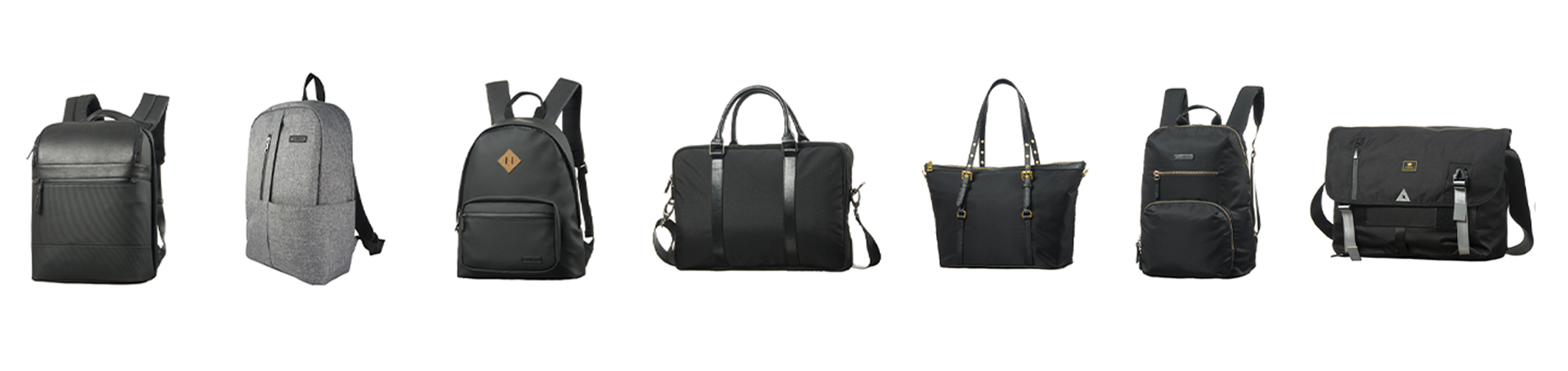
Para los estudiantes de secundaria, una mochila no es solo un contenedor para libros, sino una "compañera" diaria que los acompaña en su camino. Debe poder contener libros de texto pesados y exámenes, moverse por pasillos abarrotados e incluso caber en casilleros cada vez más estrechos. Elegir el tamaño adecuado mochila de estudiante de secundaria No se trata solo de comodidad; influye directamente en la salud de la columna vertebral de los estudiantes que se encuentran en una etapa crítica de desarrollo. En la industria de las mochilas, cada vez más segmentada, ¿cómo podemos combinar los estándares del sector con nuestras propias necesidades para encontrar la mochila perfecta? Este artículo explorará la lógica subyacente a la elección de una mochila para estudiantes de secundaria desde las siguientes dimensiones.
Según los estándares de la industria, el tamaño de la mochila debe ajustarse a la altura del usuario, garantizando que cumpla con los requisitos ergonómicos en cuanto a altura, anchura y profundidad. Esto asegura que no solo satisfaga las necesidades funcionales, sino que también reduzca eficazmente la carga física de los estudiantes, evitando una presión excesiva.
La altura de la mochila debe elegirse en función de la estatura del estudiante. Generalmente, no debe sobrepasar la distancia entre los hombros y la cintura, ya que esto evita que el peso se concentre excesivamente. Por lo tanto, se recomienda que la altura de la mochila esté entre 40 y 50 cm.
La elección de la mochila debe basarse en el ancho de los hombros del estudiante. Un ancho excesivo puede causar incomodidad al llevarla, afectando el equilibrio de la espalda, mientras que un ancho demasiado estrecho puede no permitir guardar suficientes objetos, lo que reduce su practicidad. En general, el ancho de la mochila debe estar entre 30 y 35 centímetros.
Una mochila demasiado profunda puede provocar un centro de gravedad inestable, lo que la hace propensa a inclinarse hacia un lado y aumenta la carga para el estudiante. Una mochila con la profundidad adecuada distribuye mejor el peso de los objetos y evita molestias al transportarla. Por lo tanto, la profundidad de la mochila suele estar entre 15 y 20 cm.
Aquí tienes una guía más detallada para seleccionar la talla:
| Altura (cm) | Altura de la mochila (cm) | Ancho de la mochila (cm) | Profundidad de la mochila (cm) |
| 155-165 | 40-45 | 30-33 | 15-18 |
| 165-175 | 42-48 | 32-35 | 16-20 |
| Por encima de 175 | 45-50 | 33-35 | 18-20 |

En la industria de las mochilas, la capacidad es otra dimensión crítica, que generalmente se mide en litros (L). La fórmula para calcular la capacidad de una mochila es la siguiente:
Capacidad (L) = Altura (cm) × Ancho (cm) × Profundidad (cm) ÷ 1000
Para los estudiantes de secundaria, las necesidades de aprendizaje son más complejas y a menudo requieren que lleven consigo más libros de texto, cuadernos, material escolar y otros artículos. Por lo tanto, elegir una mochila con la capacidad adecuada no solo garantiza que puedan llevar todo lo esencial, sino que también ayuda a reducir la carga sobre su cuerpo, evitando un esfuerzo físico innecesario.
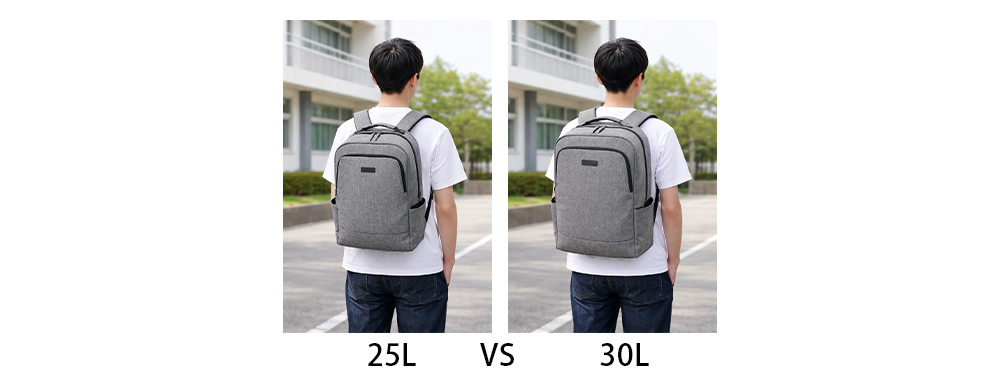
Basándonos en la experiencia del sector y en las opiniones de los usuarios, existe un consenso general, tanto dentro como fuera de la industria, de que una mochila con una capacidad de entre 25 y 30 litros es la más adecuada para estudiantes de secundaria. La elección específica de la capacidad debe depender de las necesidades individuales del estudiante, sus hábitos de uso y la cantidad de objetos que necesita llevar a diario.
Esta es la opción ideal para la mayoría de los estudiantes de secundaria. Ofrece un amplio espacio de almacenamiento sin sacrificar la ligereza, evitando la presión innecesaria en los hombros y la espalda debido a su gran capacidad. Para la mayoría de los artículos básicos necesarios para las clases, una mochila de 25 litros es más que suficiente para cubrir las necesidades diarias.
Esta mochila es ideal para estudiantes con una carga académica elevada o que necesiten llevar artículos adicionales, como libros de actividades extracurriculares, equipo deportivo u otros materiales. Si bien una mochila de 30 litros ofrece mayor capacidad y permite guardar más cosas, es fundamental prestar atención a su diseño para asegurar una distribución eficaz del peso y evitar la presión concentrada que podría causar tensión en los hombros y la columna vertebral.
Las mochilas de los estudiantes de secundaria ahora deben adaptarse a múltiples situaciones. A continuación, se detallan los requisitos para las mochilas en diferentes escenarios:
Para los estudiantes que se desplazan diariamente al campus, la mochila suele contener libros de texto, material escolar y artículos personales esenciales. Una capacidad de 20 a 25 litros suele ser la más adecuada. Este tamaño es suficiente para guardar el material de estudio necesario y pequeños objetos personales como el teléfono, las llaves y otros artículos imprescindibles.
Además de la capacidad, la comodidad de la mochila es fundamental, ya que se debe llevar durante largos periodos cada día. Por lo tanto, el diseño de las correas para los hombros debe ser ergonómico para reducir la carga. Asimismo, los múltiples compartimentos y diseños de almacenamiento son cruciales, ya que ayudan a los estudiantes a encontrar rápidamente lo que necesitan, mejorando así su eficiencia.
En comparación con los estudiantes que no residen en el campus, los estudiantes internos tienen necesidades más complejas en cuanto a mochilas. Dado que necesitan llevar más artículos (como ropa, artículos de uso diario, etc.), la capacidad requerida de la mochila es mayor, generalmente entre 30 y 35 litros.
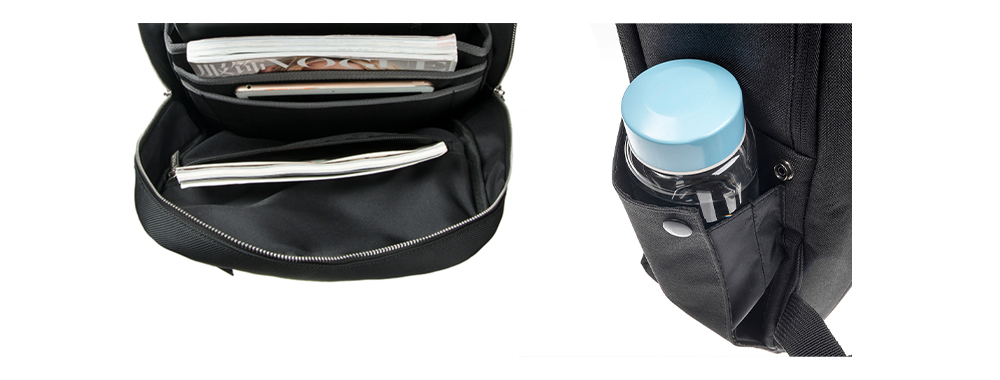
Sus mochilas no solo necesitan más espacio de almacenamiento, sino también un diseño de compartimentos internos bien organizado para clasificar y guardar diferentes tipos de artículos, evitando que se dispersen y reduciendo el tiempo de búsqueda. Además, la mochila para estudiantes internos debe ser lo suficientemente resistente para soportar el peso de objetos más pesados.
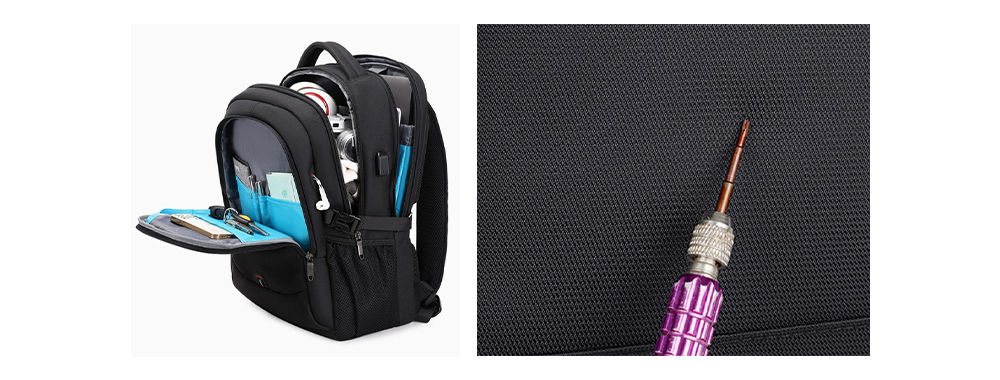
Al elegir una mochila para estudiantes de secundaria, el tamaño del compartimento para dispositivos electrónicos es un factor importante. Con el uso generalizado de la tecnología, cada vez más estudiantes necesitan llevar portátiles, tabletas u otros dispositivos electrónicos. Estos dispositivos no solo son herramientas de aprendizaje, sino que también contribuyen a mejorar la eficiencia en el aula. Por lo tanto, la mochila debe ofrecer suficiente espacio para guardarlos e incluir compartimentos específicos para protegerlos de golpes y arañazos.
A medida que la educación avanza hacia la digitalización, muchos estudiantes de secundaria necesitan llevar portátiles para las clases y las tareas extraescolares. Generalmente, las mochilas con una capacidad de unos 30 litros son adecuadas para portátiles de 13 a 15 pulgadas. Este tamaño no solo permite guardar el portátil, sino que también ofrece suficiente espacio para libros de texto, material escolar y otros recursos didácticos.
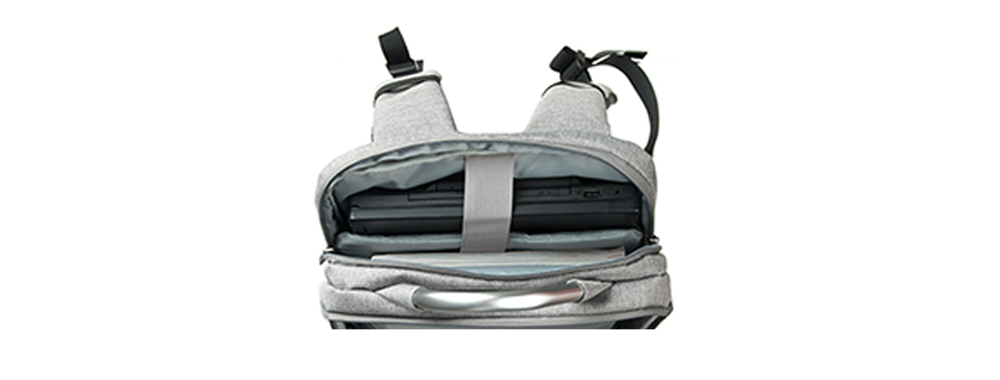
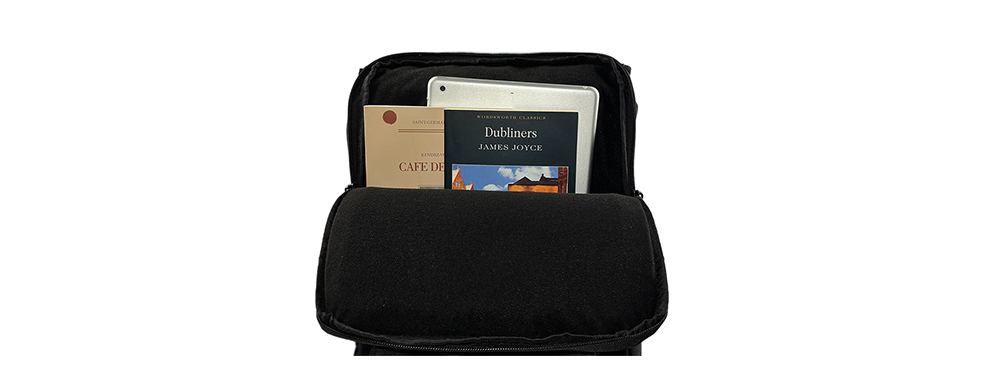
En comparación con los portátiles, las tabletas y otros dispositivos electrónicos son más pequeños, por lo que la capacidad necesaria de la mochila es relativamente menor. Las mochilas con una capacidad de unos 25 litros suelen ser adecuadas para llevar una tableta. Este tamaño ofrece espacio suficiente para guardar la tableta, algunos útiles escolares básicos (como cuadernos y carpetas) y otros dispositivos electrónicos pequeños.
Llena la mochila con artículos que se aproximen al peso real que transportará (puedes llevar tus propios libros a la tienda), ajusta todas las correas y comprueba si se adapta a la forma de tu espalda.

Estos materiales no solo son resistentes a los desgarros y duraderos, sino también ligeros. Si la mochila es demasiado pesada, incluso con la capacidad adecuada, aumentará involuntariamente la carga.
Comprueba que la cremallera funcione sin problemas y que los herrajes sean resistentes, que las costuras sean sólidas (especialmente en los puntos de mayor tensión) y que la base esté reforzada con material resistente al desgaste.
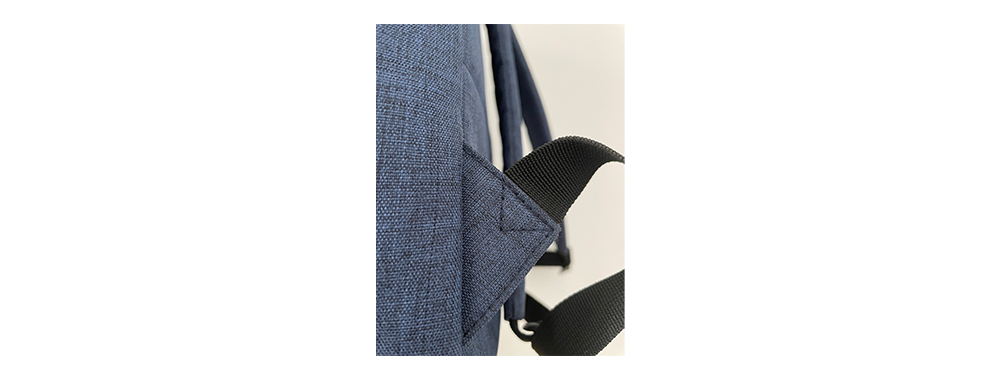
Las correas de hombro demasiado finas pueden clavarse en los hombros como un cuchillo. Los estándares de la industria recomiendan que el ancho de la correa de hombro no sea inferior a 5 cm, con un acolchado grueso en el interior para ayudar a distribuir la presión sobre los hombros.
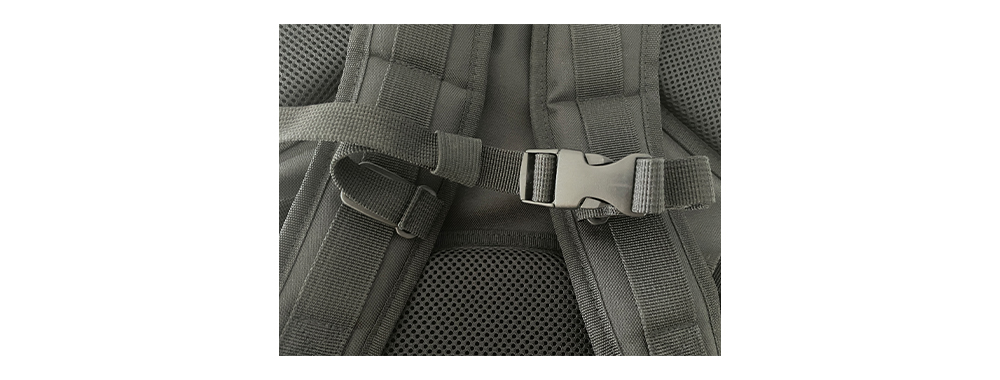
Estas características no son exclusivas de las mochilas para actividades al aire libre. Muchas mochilas estudiantiles de alta gama ahora vienen con correas ajustables para el pecho y la cintura que transfieren parte del peso de los hombros a la pelvis, mejorando la estabilidad hasta en un 40 %.
Dado que los estudiantes de secundaria pueden regresar a casa a oscuras después de estudiar por la noche, la parte delantera, los laterales y las correas de los hombros de la mochila deben estar equipados con materiales reflectantes de al menos 20 mm de ancho. Esta es una característica importante para garantizar la seguridad durante los desplazamientos nocturnos.
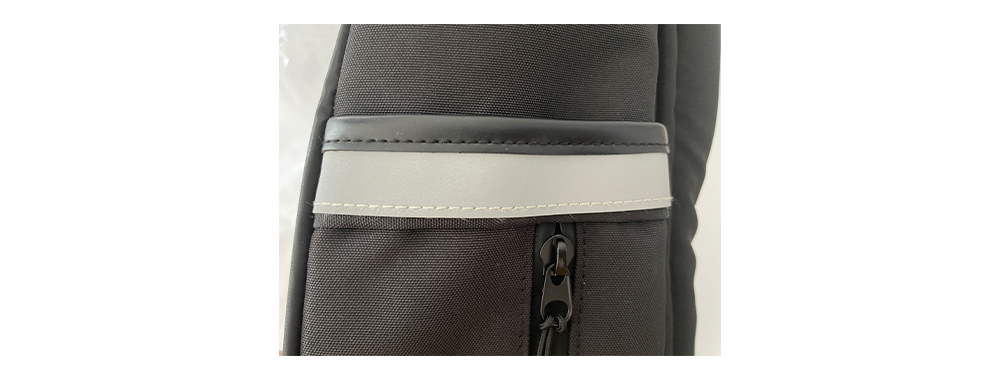
Al comprar, presta atención a la etiqueta del producto para asegurarte de que la mochila cumple con los requisitos de seguridad pertinentes. Esta es la garantía básica de que la mochila no es tóxica, es inofensiva y de calidad aceptable.
Nunca caigas en la trampa de pensar que "cuanto más grande, mejor". Un estudio de la Academia Estadounidense de Pediatría señala que cuando el peso de una mochila supera el 10 % del peso corporal del estudiante, aumenta significativamente el riesgo de dolor de espalda y problemas posturales. Por ejemplo, para un estudiante de secundaria que pesa 65 kg, el peso máximo seguro es de 6,5 kg. Una mochila de 35 litros completamente llena puede alcanzar fácilmente este límite.

Una mochila de buena calidad debería durar entre dos y tres años escolares con un uso razonable. Las marcas de gama media, con precios entre 300 y 600 RMB, suelen ofrecer un buen equilibrio entre calidad, funcionalidad y diseño.
Adquiera el hábito diario de organizar su bolso, retirando los objetos innecesarios, y evite llevarlo sobre un solo hombro, ya que esto puede provocar un desequilibrio postural con el tiempo.
Elegir baya sintética Comprar una mochila para estudiantes de secundaria puede parecer un artículo de uso diario, pero en realidad se trata de adoptar un hábito saludable, un método de aprendizaje y una forma de expresión personal. La industria de las mochilas se está orientando hacia un enfoque más científico, personalizado y sostenible, con el objetivo principal de apoyar a los adolescentes para que lleven consigo sus sueños en su trayectoria académica y de crecimiento personal, sin que la carga obstaculice su desarrollo. Con una mochila del tamaño adecuado y un diseño científico, cada estudiante de secundaria puede avanzar con confianza hacia su futuro.
| Autor | ||||||
|
Continúe leyendo, manténgase informado, suscríbase y lo invitamos a contarnos lo que piensa.




Derechos de autor
@2024 Synberry Bag & Package Products Co.,Ltd Reservados todos los derechos
.
 RED SOPORTADA