
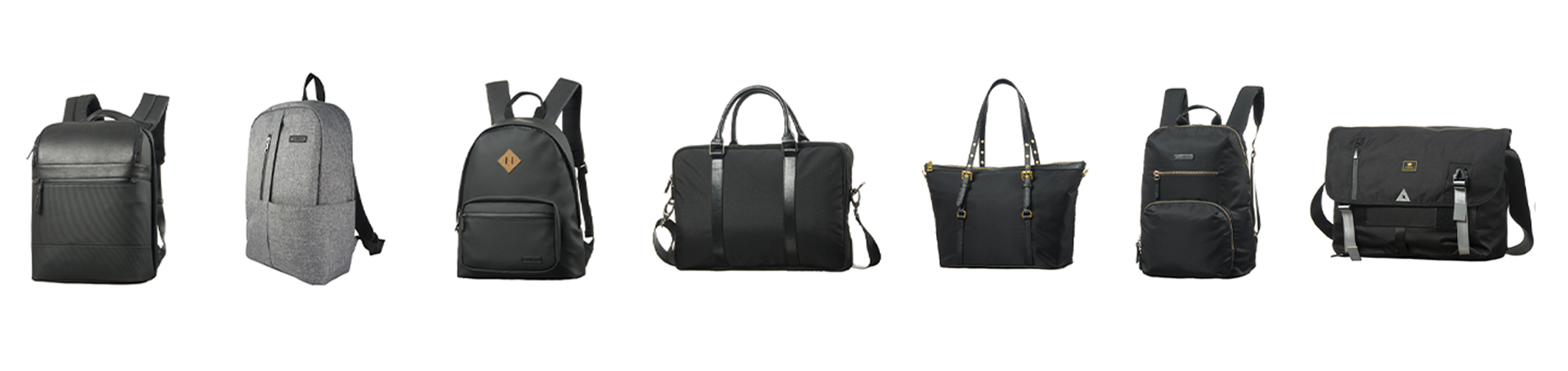
*Guía imprescindible sobre acabado de bordes para compradores B2B que seleccionan fabricantes de bolsos de cuero*
En la fabricación de bolsos de cuero, el acabado de los bordes (también conocido como pintura o recubrimiento de bordes) es un detalle clave que determina la calidad final del producto. Un borde liso y de color uniforme, resistente al agrietamiento y al descascarillado, suele justificar un sobreprecio del 20 % al 30 %; por el contrario, un acabado áspero o agrietado, incluso en cuero de primera calidad, perjudica directamente el posicionamiento de la marca. Para los compradores B2B, comprender las diferencias en las técnicas de acabado de bordes es fundamental para seleccionar fábricas OEM/ODM de bolsos de cuero de calidad y controlar la calidad de la producción en masa.
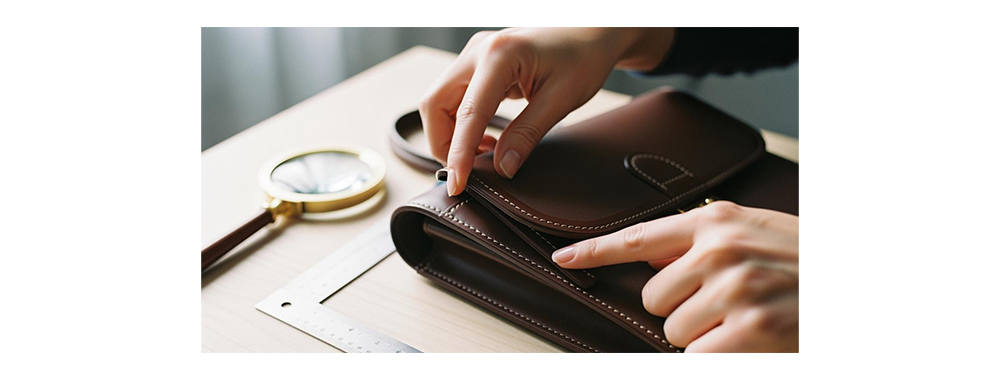
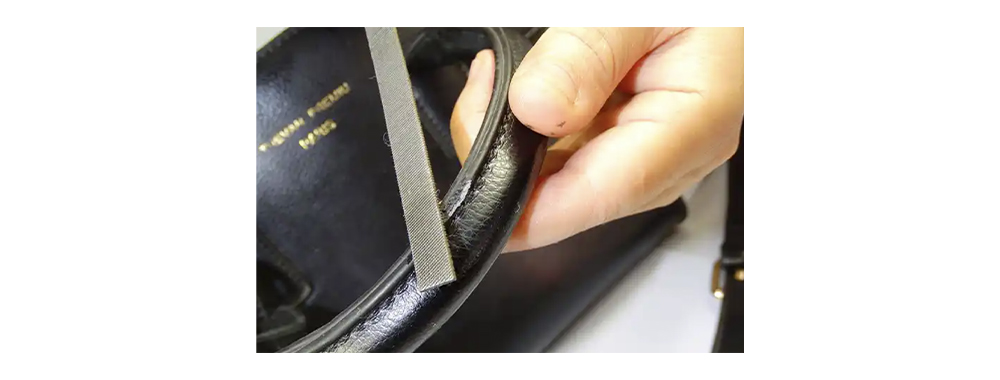
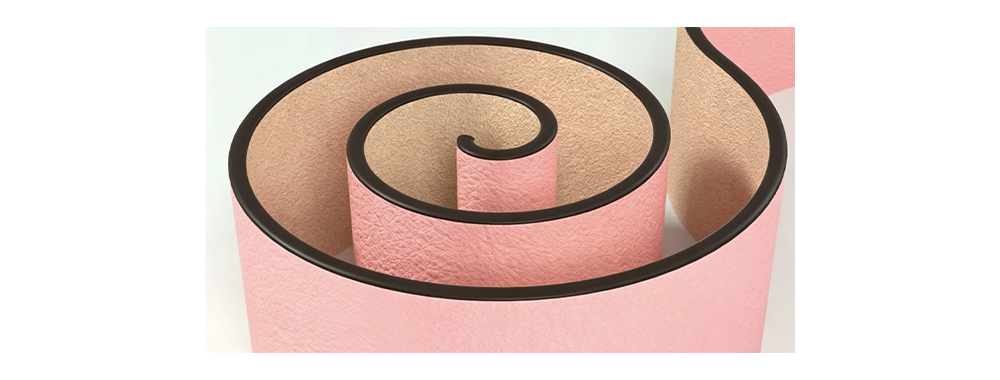
El pintado de cantos, también conocido como recubrimiento de cantos, teñido de cantos o acabado de cantos encerados, es el proceso de tratar los bordes cortados expuestos del cuero mediante una serie de pasos que incluyen lijado, imprimación, pintura y pulido para lograr un acabado liso, redondeado y con un color coordinado.
Función | Rendimiento específico | Impacto en la calidad del producto |
Protege las fibras del cuero. | Sella la sección transversal expuesta después del corte, evitando que la humedad y el polvo penetren y provoquen que las fibras se aflojen. | Prolonga la vida útil del producto y reduce las reclamaciones posventa. |
Mejora el atractivo visual | Los bordes lisos y redondeados con un color uniforme crean un efecto visual cohesivo con la superficie del cuero. | Determina directamente la "calidad de la primera impresión" e influye en los precios del mercado final. |
Refuerza la integridad estructural | Varias capas de pintura para bordes forman una película protectora, aumentando la resistencia a la abrasión y al desgarro de los bordes. | Reduce los daños en los bordes durante el envío y el uso, disminuyendo así las tasas de devolución. |
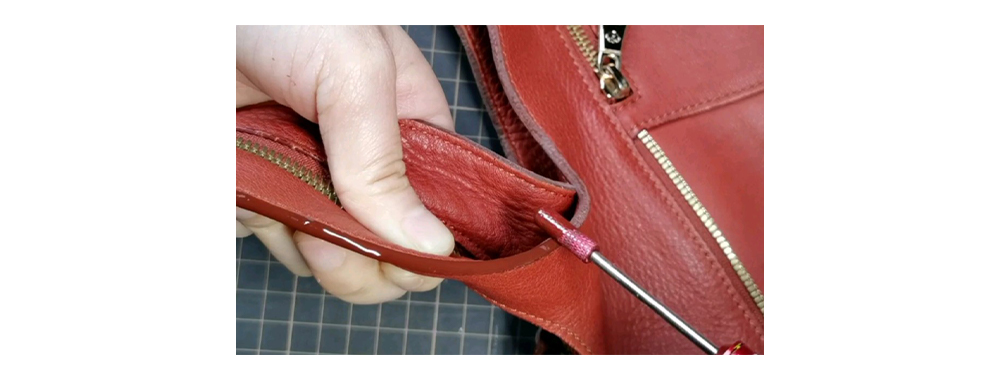
Según la complejidad del proceso y la calidad del material, el pintado de cantos se puede clasificar en varios grados. Los compradores B2B pueden utilizar este marco para evaluar el verdadero nivel de calidad de una fábrica durante las auditorías o inspecciones.
Técnica | Flujo del proceso | Efecto final | Durabilidad | Mercado objetivo |
Recubrimiento delgado de una sola capa | Cortar → aplicar una capa fina de pintura para bordes → secado rápido | Textura de la fibra visible; ligeramente áspera al tacto; propensa a la inconsistencia del color. | ★☆☆☆☆ | Artículos promocionales de gama baja |
Pintura multicapa para bordes lijados | Cortar → lijar → pintar → secar → lijar → repetir 3–5 veces | Bordes lisos y redondeados con color uniforme; sin marcas de escalones visibles. | ★★★★☆ | Marcas de gama media a alta, bolsos de piel de primera calidad |
Pintura para bordes termoprensados | Aplicar pintura → dar forma con un molde de alta temperatura bajo presión | Arco semicircular extremadamente suave; tacto refinado. | ★★★★★ | Artículos de lujo, pedidos personalizados de alta gama |
Borde encerado a mano | Pulir repetidamente con cera de abeja natural; no se utiliza pintura química para los bordes. | Brillo natural del cuero; desarrolla una pátina con el tiempo. | ★★★★☆ | Bolsos de piel curtida vegetalmente, estilo artesanal/retro. |
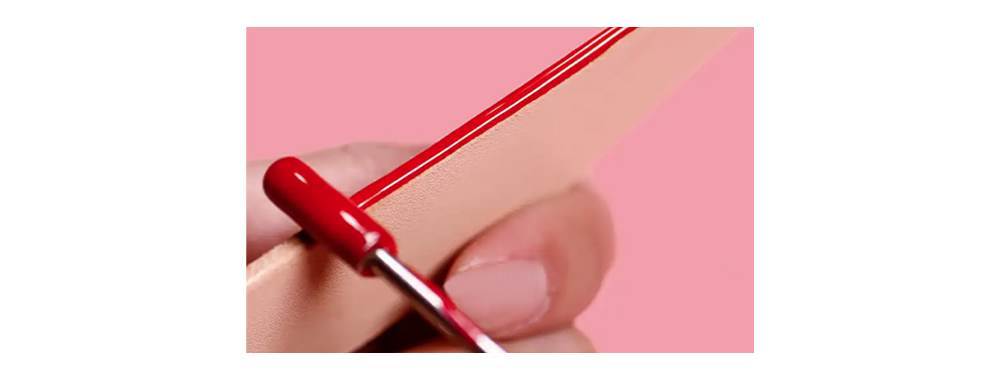
El agrietamiento y el desprendimiento de la pintura de los bordes son algunos de los problemas más comunes en el servicio posventa de bolsos de cuero. Los siguientes cinco factores determinan directamente la vida útil de la pintura de los bordes y son también las áreas clave en las que los compradores B2B deben centrarse durante las auditorías de fábrica.
Las pinturas para cantos de baja calidad contienen una cantidad insuficiente de resina, lo que resulta en poca flexibilidad y susceptibilidad a agrietarse a bajas temperaturas. Las fábricas de alta gama suelen utilizar pintura para cantos de poliuretano (PU) importada o pintura para cantos ecológica a base de agua, que ofrece una excelente elasticidad y adherencia.
Cuando el cuero es demasiado fino ( Un lijado inadecuado provoca una mala adherencia entre la pintura y el cuero. Si se omite la imprimación (capa base), la pintura de los bordes se desprende en láminas al someterse a tensión por flexión. Un buen acabado en los bordes requiere un secado natural adecuado. En condiciones de alta humedad o lluvia continua, un tiempo de secado insuficiente impide que los disolventes de la pintura se evaporen por completo. La superficie puede parecer seca, mientras que el interior permanece húmedo por fuera, un defecto oculto que inevitablemente provocará burbujas y grietas posteriormente. Debe evitarse el secado a máquina siempre que sea posible. El cuero contiene cantidades importantes de aceites naturales, humedad y aminoácidos. Bajo altas temperaturas y presión, el cuero puede encogerse, endurecerse o incluso deformarse, lo que en última instancia compromete la calidad del producto. Las zonas sometidas a flexiones frecuentes (como los bordes de las solapas y las uniones de las asas) ejercen la mayor presión sobre la pintura de los bordes. Si los consumidores finales exponen el producto a ambientes húmedos o de alta temperatura durante periodos prolongados, también se acelerará el envejecimiento de la bolsa. Antes de asociarse con una fábrica de bolsos de cuero, los compradores B2B pueden evaluar rápidamente sus capacidades de pintura de bordes utilizando los siguientes métodos: Como comprador B2B o propietario de una marca, la elección de la técnica de pintura de los bordes debe estar en consonancia con el posicionamiento del producto, el precio de venta al público objetivo y la vida útil prevista, evitando así tanto una inversión excesiva como una calidad insuficiente. Posicionamiento del producto Pintura de bordes recomendada Moda rápida / Promocional Pintura de borde de una sola capa fina o multicapa simplificada. Marca de gama media Pintura estándar multicapa para bordes lijados (3-4 capas) Gama alta / Lujo Bordes pintados mediante prensado en caliente o bordes encerados a mano. P1: ¿El color de la pintura del borde tiene que coincidir exactamente con la superficie del cuero? R: No necesariamente. Algunas opciones comunes son: ① Bordes pintados del mismo color (la más convencional, crea una apariencia uniforme); ② Bordes pintados en contraste (diseño vanguardista, requiere una combinación de colores precisa); ③ Bordes pintados con pintura transparente (conserva el color natural del borde del cuero, ideal para cuero curtido vegetal). La elección depende del estilo del bolso. P2: ¿Se puede reparar la pintura de los bordes agrietada? Sí, se puede reparar localmente, pero la durabilidad de la pintura de los bordes reparada suele ser inferior a la del acabado de fábrica. Para productos de alta gama, se recomienda reemplazar el panel de cuero y volver a pintar los bordes. Los compradores B2B deben especificar en el contrato la responsabilidad del servicio posventa para este tipo de problemas. P3: ¿Cómo afectan las normativas medioambientales a los materiales de pintura de bordes? A: Normativas como el Reglamento REACH de la UE y la Proposición 65 de California en EE. UU. restringen el uso de metales pesados y ftalatos en la pintura de cantos. Los pedidos de exportación deben confirmar que la fábrica utiliza pintura de cantos ecológica y que cumple con la normativa, y solicitar los informes de pruebas pertinentes. P4: ¿Por qué varían significativamente los precios de la pintura para bordes entre los presupuestos de fábrica? A: Las principales diferencias radican en: 1. El número de ciclos de proceso (una capa frente a varias capas); 2. Si se incluye el prensado en caliente o el encerado manual; 3. La tasa de pérdida de material (los paneles de formas complejas presentan mayor pérdida de pintura en los bordes). Se recomienda solicitar presupuestos detallados a la fábrica para evitar recargos ocultos. El acabado de los bordes puede parecer un detalle menor, pero es la clave para evaluar la calidad de un bolso de cuero. Para los compradores B2B, dominar los métodos de evaluación del acabado de los bordes no solo ayuda a seleccionar socios OEM/ODM más fiables, sino que también ofrece una ventaja en la fijación de precios y la gestión posventa. Si busca un fabricante de bolsos de cuero con amplia experiencia en el pintado de cantos, nuestro equipo está listo para ayudarle. Ofrecemos servicios OEM/ODM integrales, desde la selección de materiales y la confirmación de muestras hasta la producción en masa, con soporte para pintura de cantos multicapa lijada, pintura de cantos termoprensada y otras técnicas avanzadas. Permítanos ayudar a su marca a crear bolsos de cuero de primera calidad que resistan la inspección más minuciosa. 3.3 Lijado y tratamiento con imprimación
3.4 Tiempo de secado
3.5 Entorno de uso y mantenimiento
4. Auditoría de fábrica B2B: ¿Cómo evaluar la capacidad de pintura de cantos?
5. Estrategia de pintura de bordes por nivel de precio
6. Preguntas frecuentes
7. Conclusión
Autor 



Continúe leyendo, manténgase informado, suscríbase y lo invitamos a contarnos lo que piensa.




Derechos de autor
@2024 Synberry Bag & Package Products Co.,Ltd Reservados todos los derechos
.
 RED SOPORTADA