
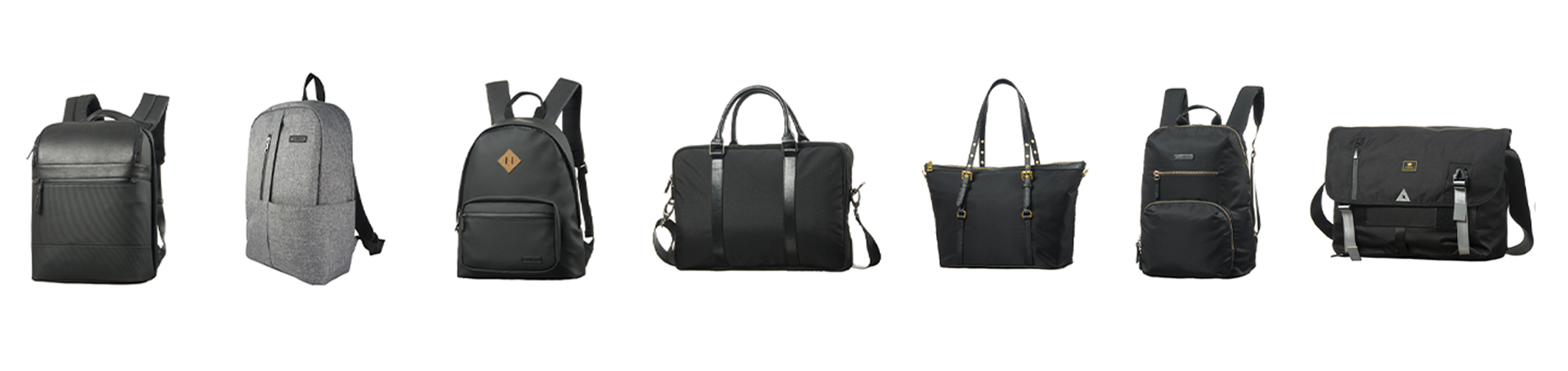
A medida que el ciclismo se vuelve cada vez más popular en todo el mundo, las bolsas para bicicletas han evolucionado de simples "accesorios" a equipo esencial para cada salida. Ya sea para desplazamientos urbanos, rutas todoterreno, cicloturismo o transporte internacional de bicicletas, los diferentes tipos de bolsas para bicicletas desempeñan un papel crucial para mejorar la experiencia de ciclismo y proteger tu equipo.
Como un fabricante profesional de bolsos Con 32 años de experiencia en OEM/ODM, nos dedicamos a la fabricación y desarrollo a medida de todo tipo de bolsas para bicicletas. Gracias a un profundo conocimiento de las necesidades de los usuarios, desarrollado a lo largo de los años, materiales innovadores y un diseño intuitivo y funcional, nuestro objetivo es ayudar a las marcas a crear líneas de productos más profesionales y distintivas. Este artículo le ofrecerá una descripción general completa de los principales tipos de bolsas para bicicletas, junto con sugerencias prácticas de personalización para ayudar a su marca a desarrollar productos con mayor rendimiento y diferenciación.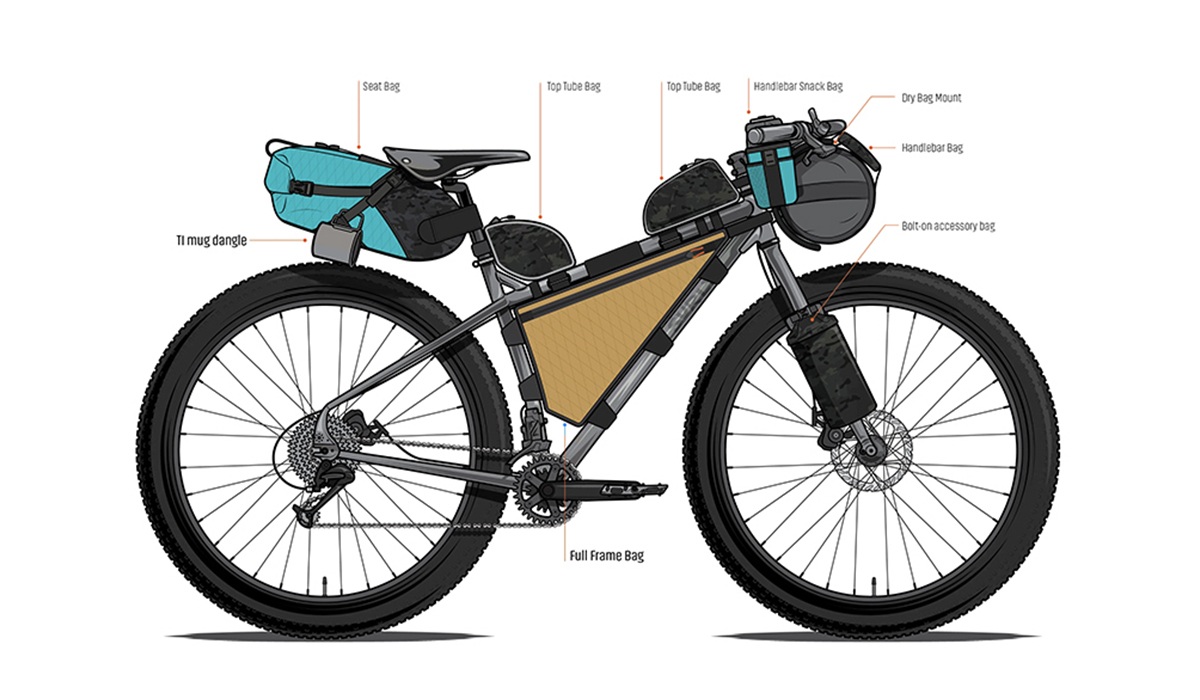
Las bolsas para bicicletas se ofrecen en una amplia variedad de categorías. Los diferentes estilos varían en capacidad y métodos de montaje. La siguiente descripción general se centra en la funcionalidad según la estructura de la bicicleta para ayudarte a comprender los tipos más comunes de bolsas para bicicletas.
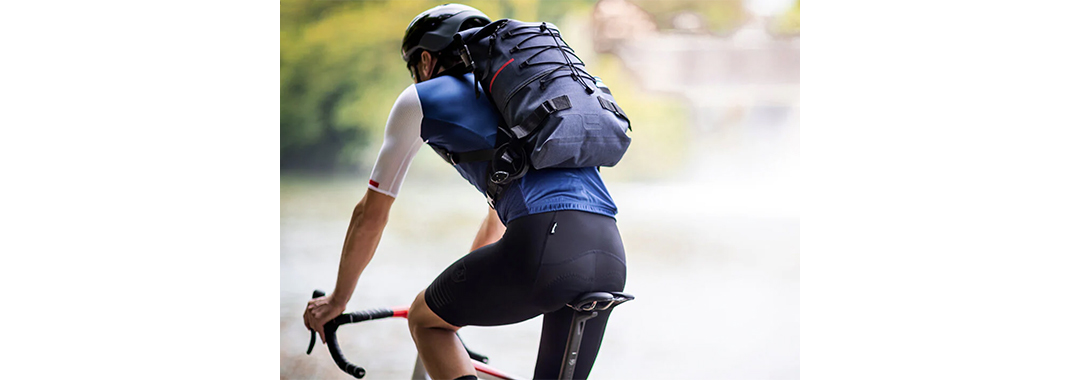
Diseñadas específicamente para la postura ciclista, las mochilas de ciclismo suelen presentar una estructura ergonómica que se adapta a la espalda, paneles traseros transpirables y correas de hombro estables. Mantienen un ajuste y una comodidad excelentes durante recorridos a alta velocidad o de larga duración, ideales para actividades de ciclismo al aire libre, como paseos de fin de semana.
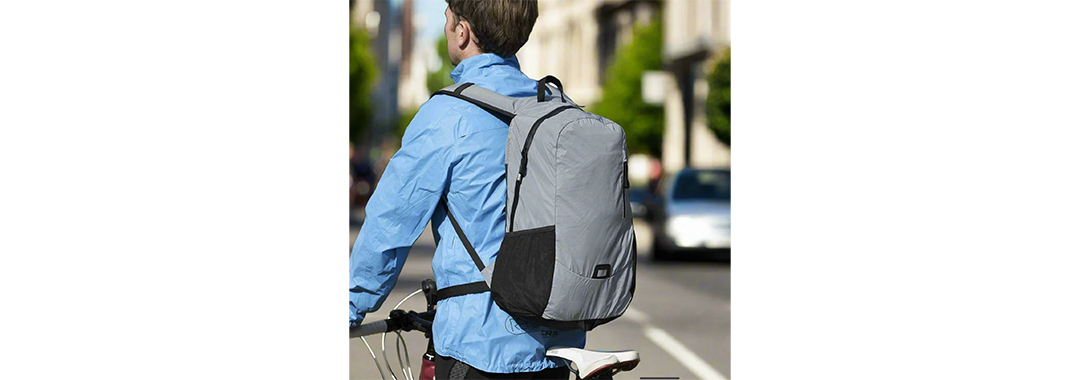
A diferencia de una mochila de ciclismo, esta opción prioriza el volumen y la utilidad integral, ofreciendo a los ciclistas un almacenamiento adaptable y espacioso para desplazamientos diarios, aventuras en terrenos mixtos y paseos casuales. Su elegante diseño para el día a día también la convierte en la mochila ideal para ciclistas, tanto dentro como fuera de la bicicleta.
Diseñadas para ciclismo todoterreno, ciclismo de montaña y entrenamiento de larga distancia. Estas mochilas incluyen una bolsa de hidratación reemplazable en su interior y un tubo para beber que permite hidratarse con las manos libres. Un diseño optimizado de la mochila de hidratación mejora la ventilación de la espalda, la higiene del tubo, la amortiguación y la estabilidad, garantizando una mayor eficiencia y seguridad en terrenos difíciles.

Conocidas por ser ultraligeras y ajustarse firmemente a la cintura, las riñoneras son ampliamente aceptadas por ciclistas de MTB y de montaña. Si bien son compactas, son suficientes para llevar artículos esenciales como herramientas, geles energéticos y teléfonos móviles. Las riñoneras de alta calidad suelen incluir compartimentos multicapa, tela repelente al agua y soporte acolchado para la cintura que garantiza la estabilidad durante la conducción y evita que se muevan fácilmente.

Estas pequeñas bolsas ajustadas se sujetan al brazo o la muñeca y se utilizan para guardar objetos pequeños como teléfonos móviles y tarjetas. Para garantizar un fácil acceso durante la conducción y minimizar la restricción de movimiento, estas bolsas suelen requerir un diseño estructural optimizado, como correas elásticas para los brazos, materiales transpirables de alta calidad y ventanas transparentes compatibles con pantallas táctiles.
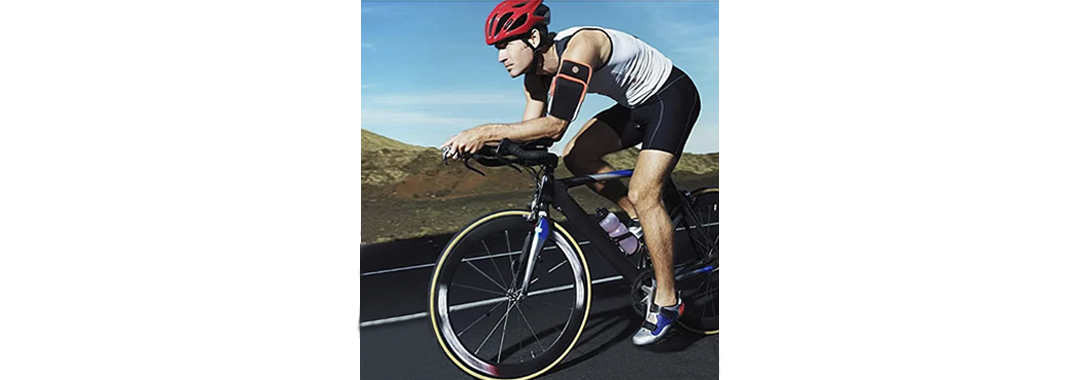
Impulsados por el auge de las expediciones todoterreno de varios días, los ciclistas ahora consideran las bolsas de montaje en la bicicleta como parte esencial de su equipo profesional. A diferencia de las alforjas tradicionales, hoy en día estas bolsas se destacan por su diseño ligero, su ausencia de rebotes y balanceo al rodar y su ajuste perfecto al cuadro, lo que permite mantener todo en su sitio incluso cuando el camino se pone feo.
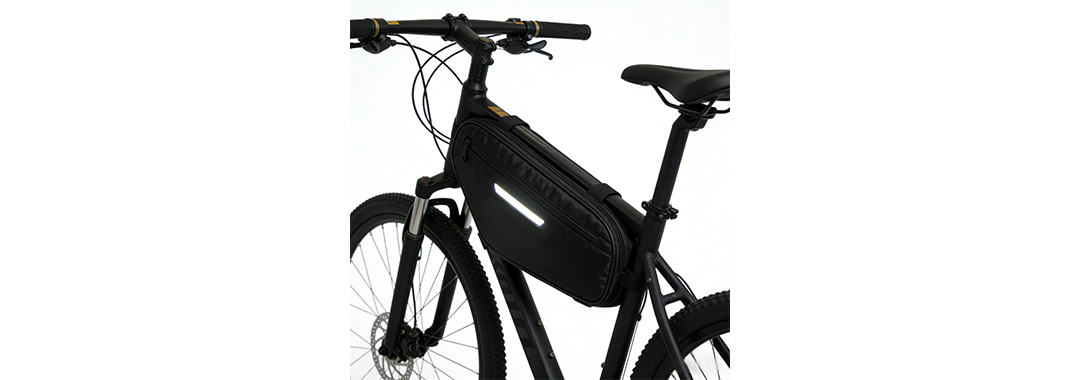
Las bolsas de cuadro suelen ser triangulares y se montan a lo largo del tubo superior, dentro del triángulo del cuadro. Dependiendo de la geometría de la bicicleta, pueden personalizarse como bolsas de medio cuadro o de cuadro completo. Como el principal espacio de almacenamiento para ciclistas de larga distancia, las bolsas de cuadro se utilizan comúnmente para transportar herramientas, comida, fundas impermeables, baterías externas y otros artículos esenciales.
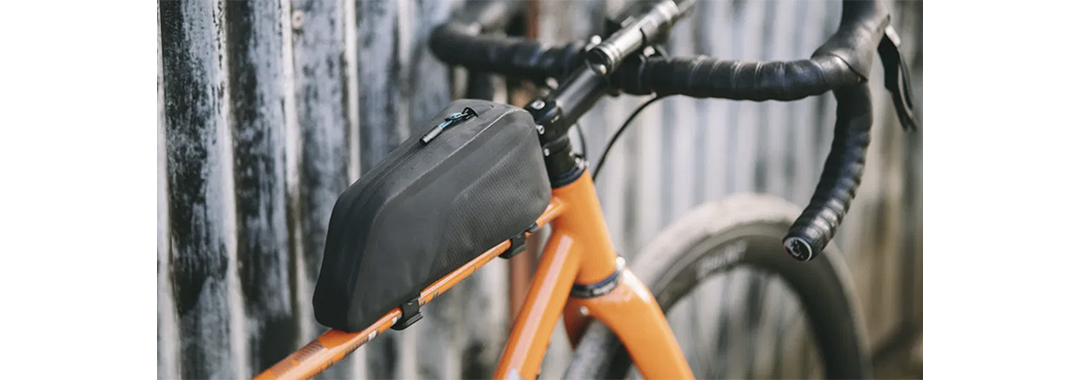
Montadas en el tubo superior del triángulo del cuadro, las bolsas de tubo superior permiten a los ciclistas reducir ligeramente la velocidad y acceder a sus pertenencias sin detenerse. Son una de las bolsas de gasolinera más comunes en triatlones y ciclismo de larga distancia.
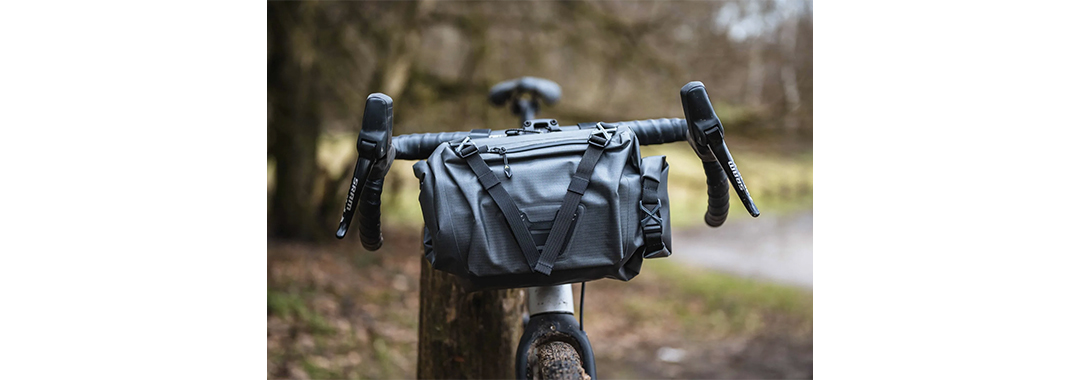
Ubicadas en la parte delantera del manillar, las bolsas de manillar varían en tamaño, desde pequeñas bolsas de 1 litro hasta grandes bolsas cilíndricas de 10 a 20 litros, con capacidad para un saco de dormir o una chaqueta de plumas. Cada litro adicional redefine el diseño y la construcción de las bolsas de manillar: las pequeñas se apresuran a ahorrar gramos y se abren con una sola mano; los paneles de tamaño mediano y los bolsillos laterales evitan que se suelte nada; las grandes apuestan por la arquitectura: bases más rígidas, centros de gravedad más bajos, correas de compresión, fundas extraíbles, etc.
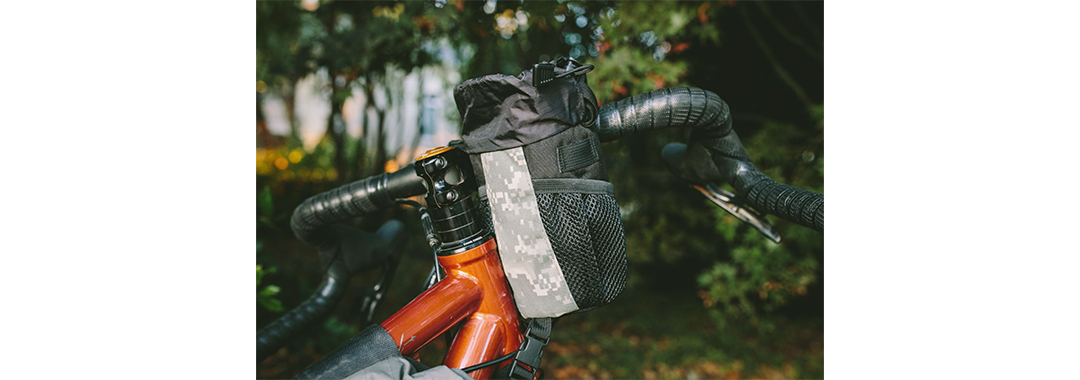
Una pequeña bolsa lateral cilíndrica montada entre el manillar y la potencia, que permite a los ciclistas agarrar objetos con una mano mientras conducen.
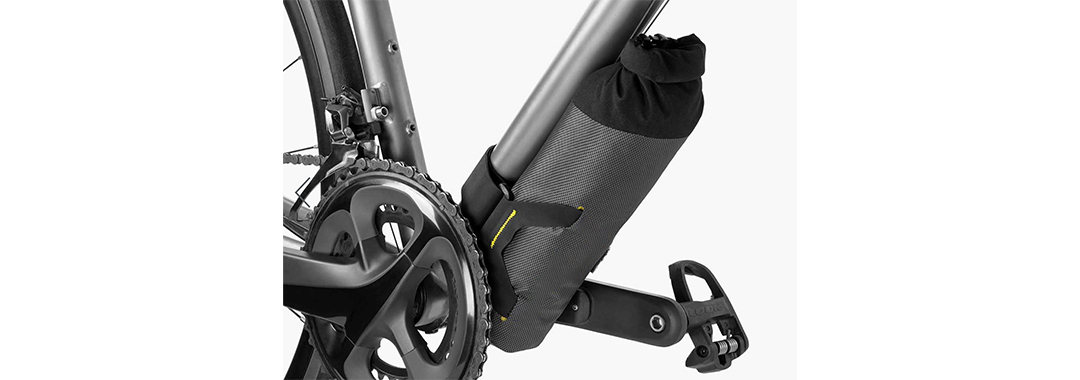
Se fija a la parte inferior o exterior del tubo inferior, generalmente con una forma delgada y alargada para sujetarlo firmemente. Se usa comúnmente para transportar herramientas de reparación, cámaras de repuesto, cartuchos de CO₂ y minibombas.
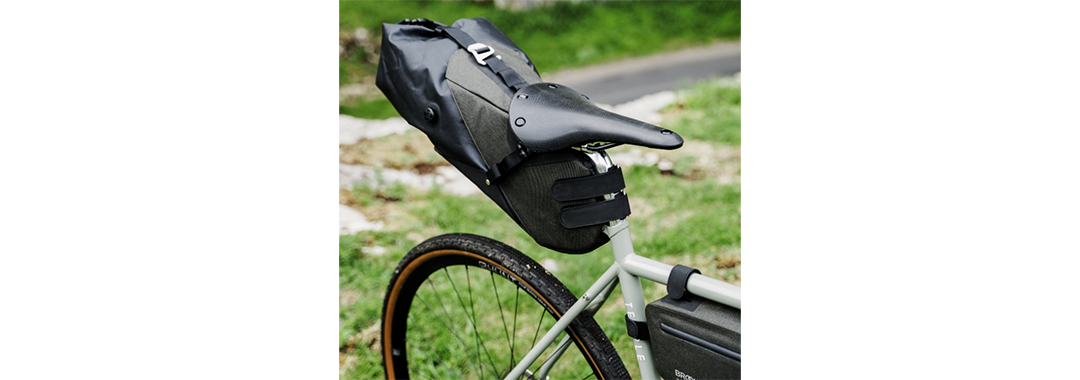
Las alforjas, que normalmente se colocan detrás o debajo del asiento, vienen en una amplia variedad de formas: desde pequeñas bolsas de reparación que solo contienen una cámara de repuesto hasta grandes paquetes de asiento de 10 litros para viajes de larga distancia, similares en concepto a las bolsas de manillar.
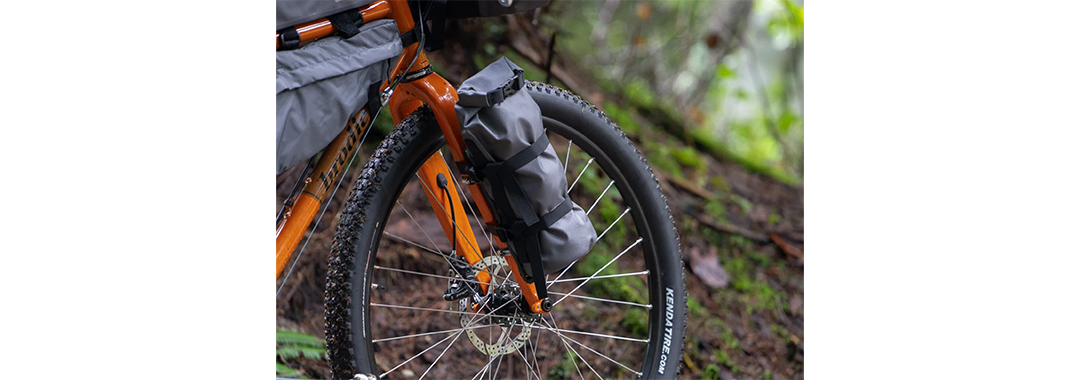
Estas bolsas, que se enganchan a ambos lados de la horquilla delantera mediante un portaequipajes, suelen contar con correas ajustables o un cierre enrollable, lo que permite ampliar su capacidad de 1 a 5 litros aproximadamente. Son perfectas para paseos familiares de fin de semana, así como para aventuras de varios días con amigos.
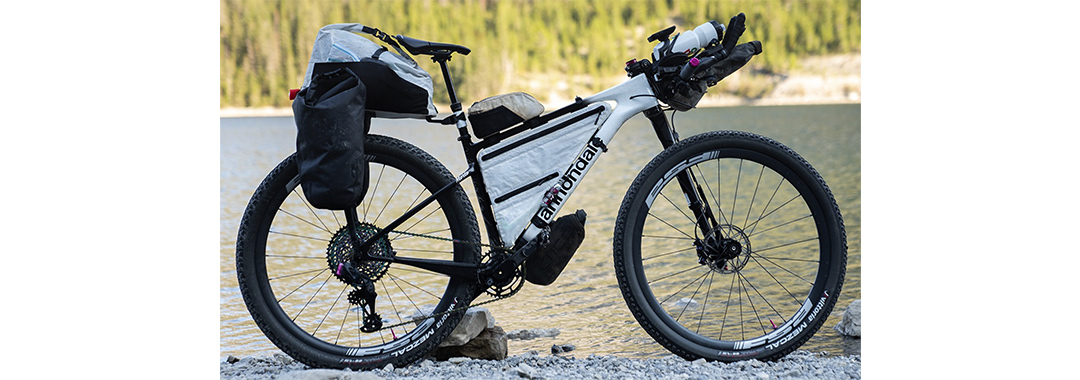
Un kit completo de bikepacking compuesto por una bolsa para el cuadro, una bolsa para el tubo superior, una bolsa para el manillar, una bolsa para el sillín, bolsas para la horquilla y otros accesorios, diseñado para cualquier cosa, desde un fin de semana largo hasta un recorrido completo de diez días.
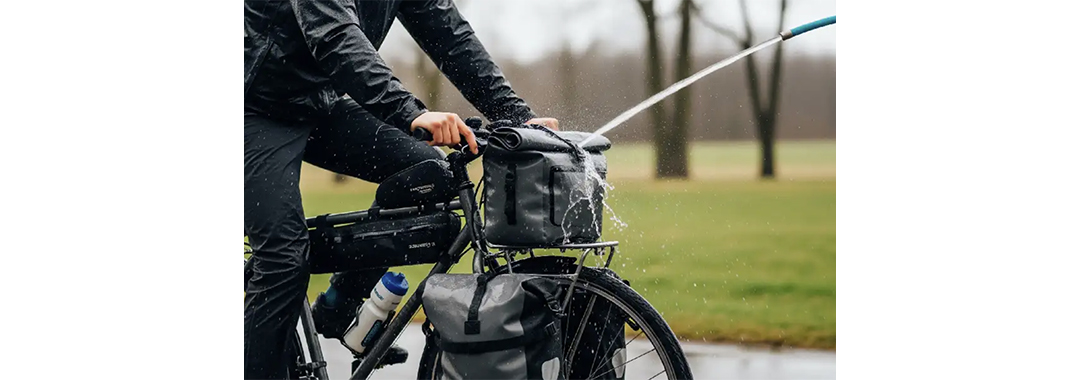
Las alforjas suelen ser un par de bolsas grandes y simétricas que se colocan a ambos lados del portaequipajes trasero. Ofrecen un amplio espacio de almacenamiento, lo que las hace ideales para viajes de larga distancia o servicios de reparto. Estas alforjas suelen estar fabricadas con materiales altamente impermeables.
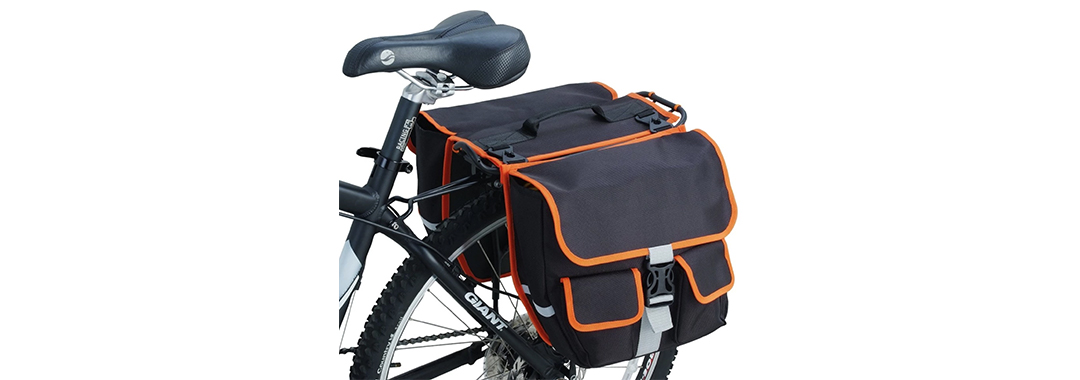
A menudo descritas como una versión compacta de las alforjas, las bolsas portaequipajes se colocan directamente sobre el portaequipajes trasero. Cuentan con una abertura central o superior, lo que facilita enormemente el acceso y la organización de los artículos en su interior.
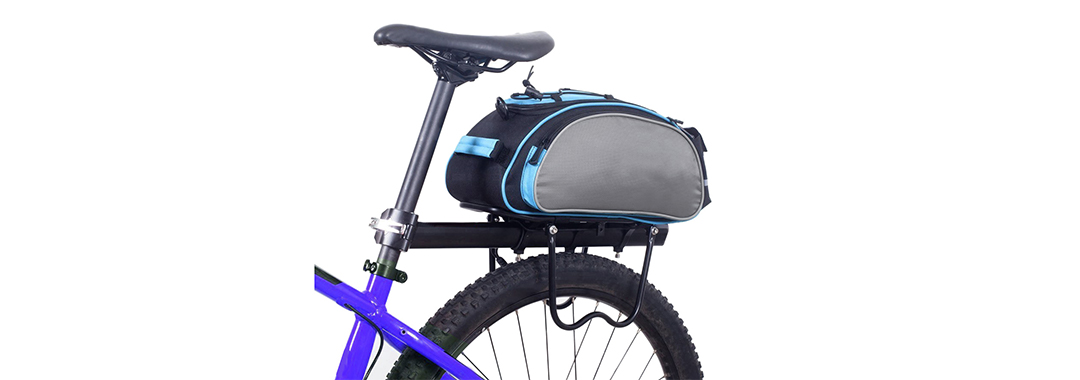
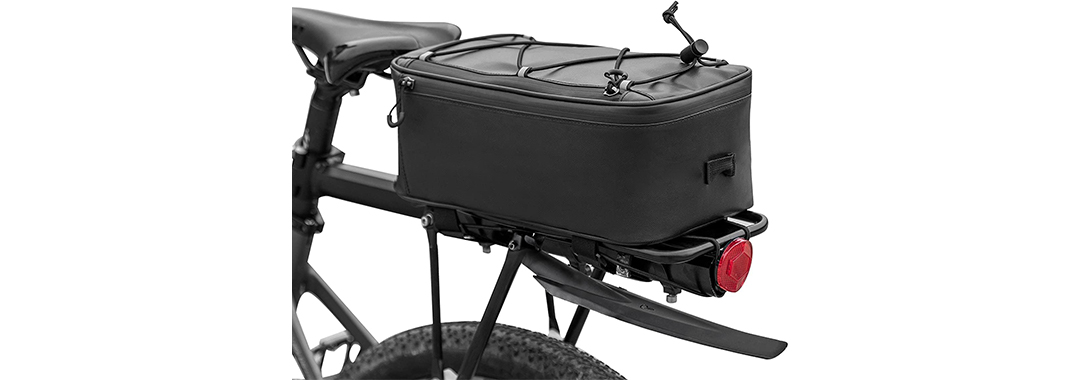
Funcionalmente similar a las bolsas de alforjas y portaequipajes, la diferencia más notable reside en su forma de baúl. Como su nombre indica, la bolsa suele tener una forma más rígida, similar a la de una caja de carga, capaz de transportar una amplia gama de artículos. A menudo, están hechas de tela totalmente impermeable, como nailon recubierto o poliuretano, y selladas con calor en lugar de costuras, para que todas las costuras se mantengan secas incluso con el cielo abierto.
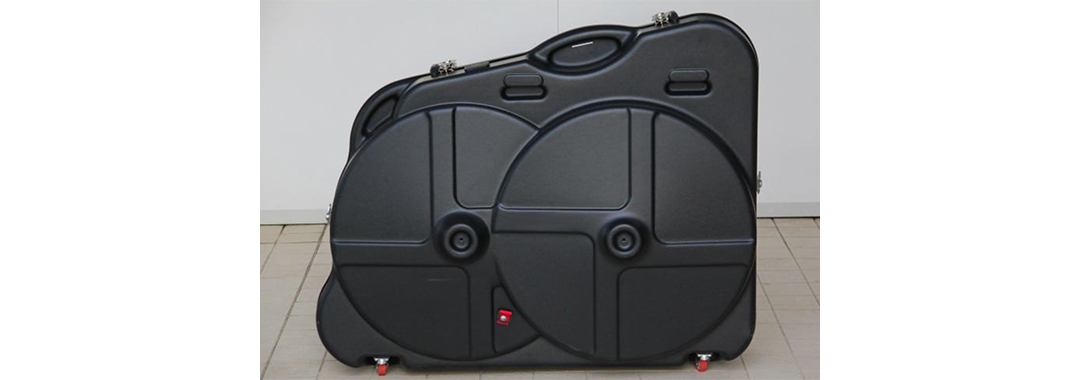
Diseñadas para viajes de larga distancia o competiciones ciclistas, estas maletas se utilizan para facturar una bicicleta completamente montada. Suelen incluir:
Carcasas duras de EVA o PC/ABS
Dispositivos estabilizadores internos
Espuma que absorbe los impactos
ruedas desmontables
Debido a que estos productos requieren modelado estructurado, desarrollo de moldes e ingeniería a nivel de sistema, tanto el costo de desarrollo como la complejidad son relativamente altos.
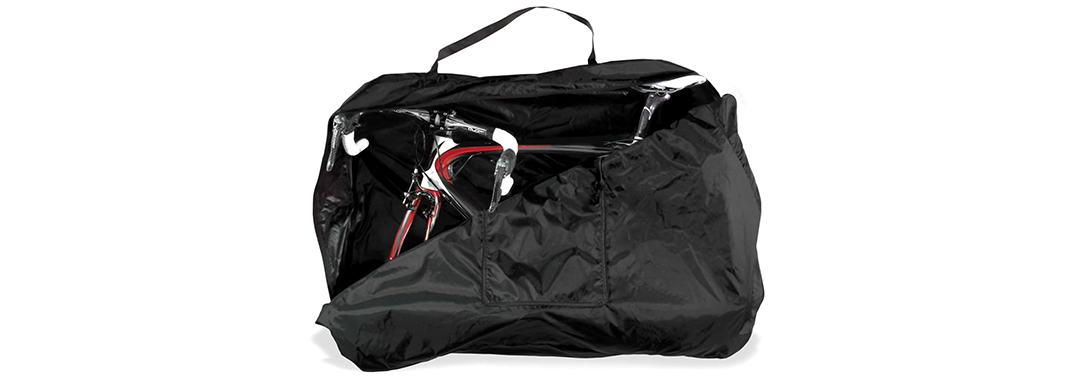
Las bolsas blandas para bicicleta se centran en la portabilidad, ideales para llevarlas en el maletero del coche, viajes cortos, carreras de fin de semana o para el uso diario. A diferencia de las maletas rígidas, no requieren moldeo y se pueden plegar para un almacenamiento compacto, una opción ideal para ciclistas relajados y ciclistas urbanos.
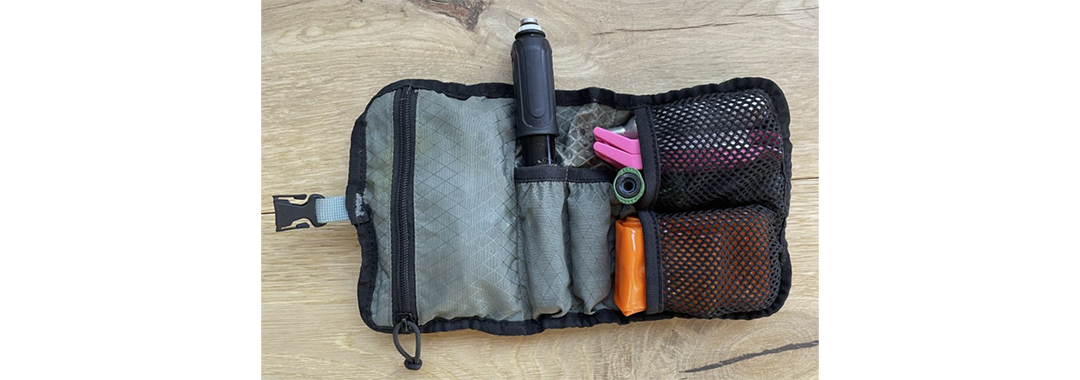
4.3.1 Bolsas de herramientas y mantenimiento
Estas bolsas están diseñadas para organizar herramientas de reparación esenciales y repuestos en el hogar, como la bolsa enrollable para herramientas, la bolsa para herramientas, la bolsa para cámara de repuesto, la bolsa para bomba, el compartimento para herramientas, etc. Ambas son lo suficientemente pequeñas como para desaparecer dentro de la bolsa del cuadro, pero lo suficientemente grandes como para salvar el viaje cuando las cosas van mal a millas de casa.
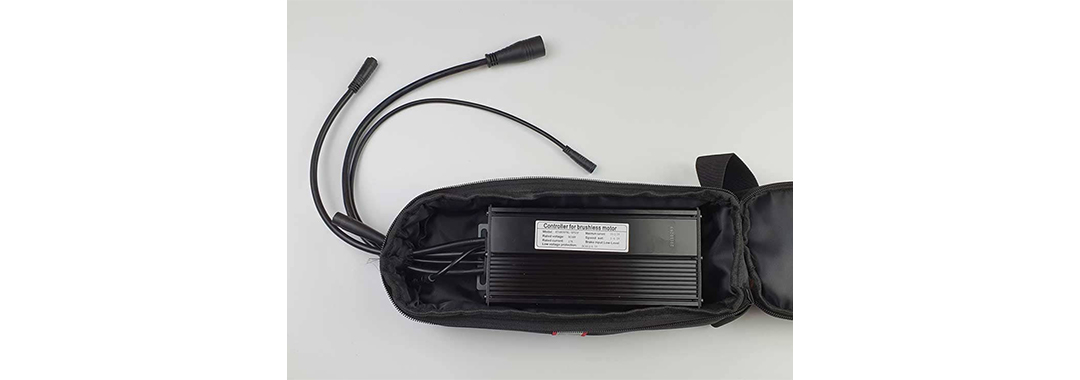
Las bolsas para bicicletas eléctricas están diseñadas para proteger las baterías, los controladores y otros componentes electrónicos de las vibraciones, la humedad y el calor. Suelen contar con acolchado reforzado, telas impermeables y sistemas de montaje seguros. Estas bolsas ayudan a los usuarios a gestionar con seguridad los accesorios adicionales necesarios para las bicicletas eléctricas. En concreto, son la bolsa para la batería, la bolsa para el controlador y la bolsa para el cargador.
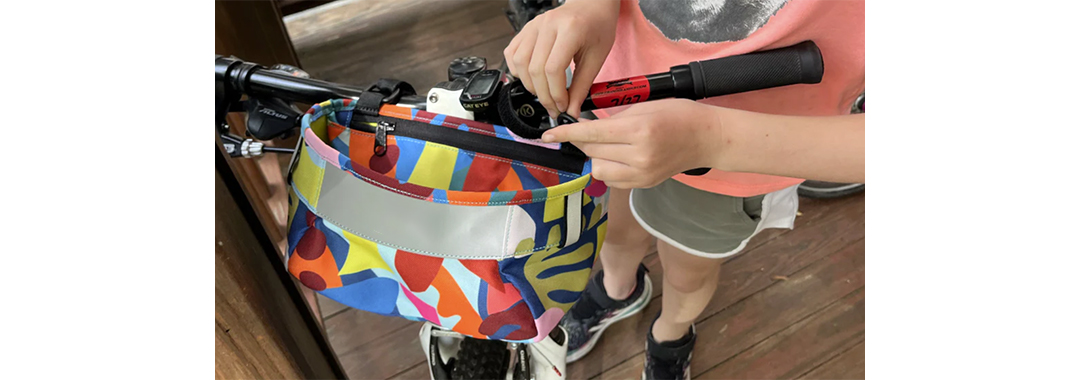
Las bolsas de bicicleta para niños ahorran hasta el último gramo de peso y son tan ligeras que los pequeños ciclistas apenas las notan. Colores vibrantes y diseños fáciles de usar ayudan a los jóvenes ciclistas a llevar bocadillos, juguetes y pequeños artículos personales. La mayoría vienen con insignias reflectantes de alta visibilidad y bordes redondeados que no se resbalan, todo con estampados divertidos y formas brillantes que incitan a los niños a usar la bicicleta solo para presumir.
Al igual que los adultos, los niños tienen sus propias versiones pequeñas: bolsa de manillar para niños, bolsa de canasta para niños y pequeños bolsillos para el tubo superior hechos en tamaño pequeño para ciclistas pequeños.
Las siguientes recomendaciones pueden ayudar a las marcas a definir mejor su matriz de productos durante el desarrollo:
Recomendar: Mochilas de ciclismo, bolsas para portaequipajes trasero, bolsas para manillar
Enfoque en las características: Ligero, estética limpia, apariencia elegante, repelente al agua.
Recomendar: Bolsas para cuadro, bolsas para alforjas, bolsas para baúl, bolsas para manillar, sets completos de bikepacking
Enfoque en las características: Gran capacidad, resistente a la abrasión y a la suciedad.
Recomendar: Bolsas para cuadro, bolsas para sillín, bolsas impermeables para manillar.
Características: Estructura reforzada, estable y sin balanceo, totalmente impermeable.
Recomendado: Estuche de viaje para bicicleta / Bolsa para estuche de bicicleta
Características: Resistente a impactos, protección integral, alto nivel de seguridad.
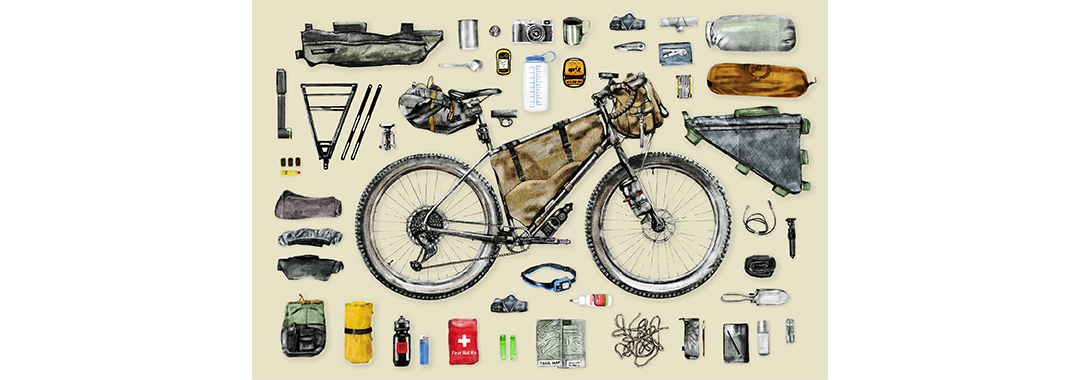
Como fabricante profesional, hemos resumido los seis elementos más críticos para los compradores y las marcas al desarrollar bolsas de ciclismo.
Los materiales comúnmente utilizados incluyen:
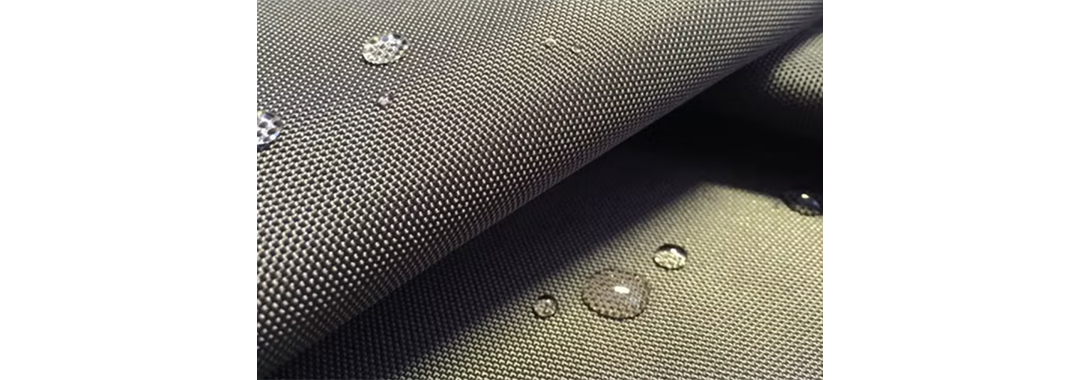
Los factores que afectan el resultado de la impermeabilidad incluyen:
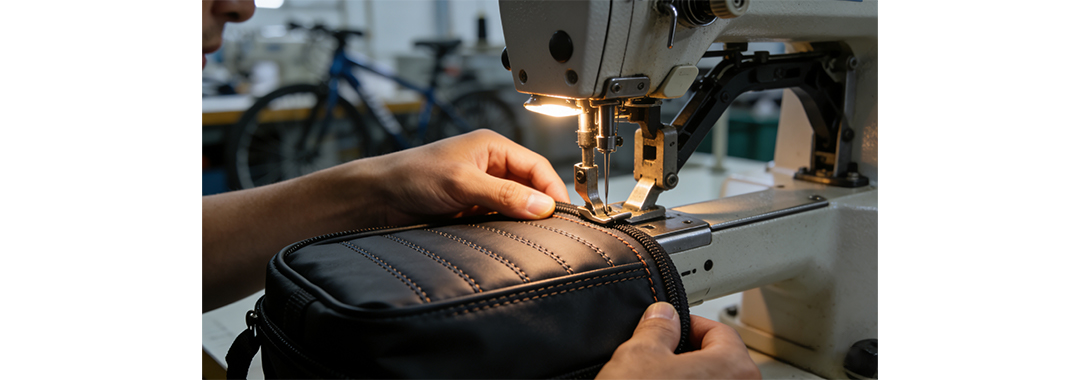
Durante el ciclismo, las bolsas de bicicleta están sujetas a golpes, sacudidas y fuerzas de tracción, por lo que las costuras reforzadas son imprescindibles para dichas bolsas, por lo tanto:
Los diferentes modelos de bicicletas varían en el ancho del manillar, la altura del cuadro y el espacio entre portaequipajes; los diseños profesionales deben:
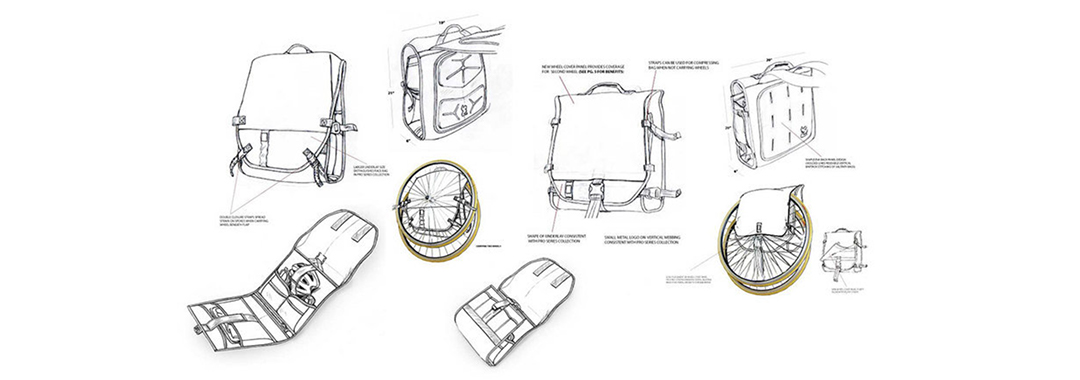
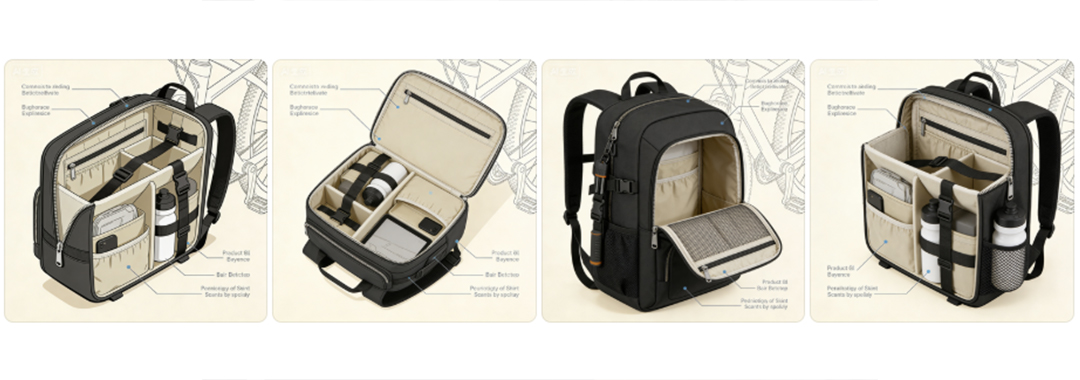
Dependiendo de la funcionalidad para la que estén diseñadas, las bolsas para bicicletas pueden tener:
Cuanto más clara sea la estructura interna, mejor será la experiencia de conducción.
Vale la pena destacar que, como producto deportivo para exteriores, la incorporación de materiales reflectantes en el bolso no solo sirve como un elemento clave de la marca, sino que también proporciona una capa adicional de seguridad para los usuarios.
Como fabricante dedicado a la producción de bolsos personalizados de alta calidad, brindamos a los clientes de marca:
Desde el diseño estructural, la creación de patrones y las recomendaciones de materiales hasta la creación de muestras y la producción en masa, ofrecemos un servicio totalmente integrado.
Incluye telas impermeables ultralivianas, ultradelgadas y transpirables, cremalleras impermeables probadas durante 20.000 ciclos de apertura y cierre sin agrietarse ni delaminarse, piezas de moldeo personalizadas y mucho más.
Soluciones que combinan la costura tradicional con técnicas de soldadura sin costuras y resistentes al agua.
Se pueden proporcionar pruebas de abrasión, pruebas de impermeabilidad, pruebas de carga, pruebas de balanceo y servicios de pruebas adicionales a pedido.
Flexible para satisfacer las necesidades de pruebas de productos en etapas iniciales, así como los requisitos de producción en masa estables.
Si está desarrollando nuevos productos de ciclismo para su marca, no dude en contactarnos. Estaremos encantados de colaborar con usted para crear soluciones de bolsas para bicicletas más profesionales y fiables.
| Autor | ||||||
|
Continúe leyendo, manténgase informado, suscríbase y lo invitamos a contarnos lo que piensa.




Derechos de autor
@2024 Synberry Bag & Package Products Co.,Ltd Reservados todos los derechos
.
 RED SOPORTADA